Acetaminophen dosage and side effects: 24 hour window tips
"Most people have few or non-specific symptoms in the first 24 hours following overdose."
Managing acetaminophen dosage and side effects requires a careful balance between effective pain relief and the prevention of severe liver toxicity.
This guide helps you understand the risks associated with combination medications, the importance of following standardized pain management ladders, and how to recognize early signs of an overdose.
You should be aware that an overdose may present with vague symptoms initially, and you must avoid exceeding recommended limits when using combination pills.
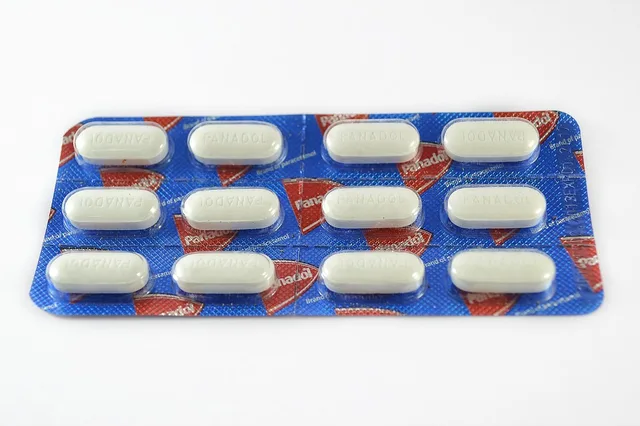
* Understand the risks of combining acetaminophen with narcotic analgesics. * Follow the World Health Organization (WHO) pain ladder for pharmaceutical management. * Identify the critical 24-hour window for overdose symptom monitoring. * Recognize the potential for non-specific early symptoms during toxicity.
Why is acetaminophen dosage and side effects management critical?
At midnight in the dim kitchen, he gripped the pill bottle tightly, feeling a cold sweat break out while contemplating the acetaminophen.
A person sits at a kitchen table, staring at a bottle of combination pain relief while checking the clock. They need to know how much is safe to take to avoid a dangerous mistake.
Acetaminophen dosage and side effects management is vital because improper use of combination products can lead to fatal outcomes.
In June 2009, an FDA advisory panel recommended that Percocet, Vicodin, and every other combination of acetaminophen with narcotic analgesics be limited in their sales because of their contributions to an alleged 400 acetaminophen-related deaths in the U.S..
This highlights the extreme danger of using multiple medications that might contain the same active ingredient.
I believe the second step in monitoring is the most important.
How can I use an acetaminophen usage guide effectively?
At dawn in the quiet study, she traces the printed lines of the manual while her fingers tremble near the acetaminophen.
A patient reviews a printed pamphlet from their doctor, carefully noting the milligrams allowed per dose. They look for instructions on how to space out their medication throughout the day.
Using an acetaminophen usage guide effectively means adhering to specific clinical frameworks for pain. The World Health Organization (WHO) recommends a pain ladder for managing pain relief with pharmaceuticals.
In the treatment of chronic pain, the three-step WHO Analgesic Ladder provides guidelines for selecting the appropriate medicine. Following these structured steps helps ensure that the intensity of the medication matches the level of pain without overshooting safe limits.
- Check the label for the concentration.
- Calculate the total milligrams per dose.
- Record the time of each administration.
What are the common acetaminophen side effects to watch for?
A person feels a sudden wave of nausea and rubs their stomach, wondering if their recent medication caused the discomfort. They check their pulse and feel slightly lightheaded in the quiet room.

Understanding acetaminophen side effects is essential, especially regarding the timing of symptoms. Most people have few or non-specific symptoms in the first 24 hours following overdose.
Because these early signs are often vague, it is difficult to realize a dangerous amount has been consumed until the damage is more advanced. Monitoring for any unexpected physical changes immediately after ingestion is a necessary precaution.
How do I implement acetaminophen precautions during daily use?
A caregiver carefully measures a liquid dose into a small plastic cup, ensuring the markings are exact. They write the time of the last dose on a notepad to prevent accidental doubling.
According to the Journal of the International Society of Sports N, isolated caffeine ingestion increased the number of repetitions performed in the bench press compared to placebo (p = 0.005; d = 0.42).
To manage risks, you must follow these specific precautions:
- Check all labels for hidden acetaminophen in multi-symptom or narcotic combination pills. 2. Consult the WHO Analgesic Ladder to determine if your current medication level is appropriate for your pain type. 3. Strictly observe the timing between doses to avoid cumulative toxicity.
I always check the active ingredients of every pill before I take them to ensure I am not accidentally doubling my dose. A final check involves verifying the total milligrams consumed in a 24-hour period against the maximum safe limit.
Can I prevent liver damage guide my medication choices?
A researcher looks at a digital screen displaying data on metabolic pathways and drug interactions. They note the risks associated with different combinations of analgesics.
When looking for a prevent liver damage guide, one must focus on avoiding the excessive accumulation of the drug.
Acetaminophen is combined with different narcotics in at least seven other prescription drugs, and all of these combination pills will be banned if the Food and Drug Administration heeds the advice of its experts.
Limiting the variety of combination products you use is a primary way to reduce the risk of accidental overdose.
What is the acetaminophen safe dose for chronic pain?
A doctor sits in a bright office, explaining a long-term treatment plan to a patient.

Determining an acetaminophen safe dose often involves following professional clinical guidelines. Clinical guidelines for prescribing opioids for chronic pain have been issued by the American Pain Society and the American Academy of Pain Medicine.
While specific dosages vary, these professional bodies provide the framework for using analgesics safely over long periods. The exact medications recommended will vary by country and individual treatment centers.
| Medication Type | Risk Factor |
|---|---|
| Combination Narcotics | Alleged 400 deaths in the U.S. |
| Single Ingredient | Non-specific symptoms in 24 hours |
The limitation of this approach is that it relies on individual adherence to specific country-based medical protocols.
This part also covers Acetaminophen metabolic pathway.
This part also covers Managing acetaminophen risks.
Related
- Acetaminophen absorption and metabolism: Why best tips guide
- Ometaacrylic mica drug info: Tips for effective usage
What happens if I ignore the initial vague symptoms?
If a person overlooks the initial few or non-specific symptoms, the situation can escalate rapidly. The early stage of toxicity often lacks clear indicators, which creates a significant challenge for self-assessment.
Recognizing that people might experience minimal issues initially is a crucial step toward seeking timely medical evaluation.
Monitoring the progression of symptoms is just as important as noting the first ones. Because the initial presentation is so often vague, delays in care can allow the underlying liver stress to become more pronounced. This underscores the necessity of vigilance even when the person seems fine.
When people fail to heed the warning signs, the risk of severe liver damage increases substantially. The lack of immediate, obvious distress can lead to a dangerous complacency regarding the medication intake.
Disclaimer: This article is general information, not medical advice. Consult a qualified healthcare professional before taking any supplement or medication.





Comments 0