Amoxicillin's 1960s Evolution: A Modern Antibiotic Guide
"Amoxicillin’s journey from a 1960s breakthrough to a modern antibiotic exemplifies the evolution of bacterial infection treatment."
Amoxicillin is a widely used antibiotic belonging to the penicillin family, specifically designed to treat a broader range of bacterial infections than original penicillin.
It works by interfering with the ability of bacteria to build their protective cell walls, effectively causing them to burst and die.
Key Takeaways * Amoxicillin was developed in the 1960s as a broader-spectrum antibiotic to expand the reach of penicillin. * Its development was primarily driven by the medical necessity to combat bacteria that had become resistant to earlier drugs.
* Antibiotic resistance remains a critical challenge that affects how effectively this drug works in modern clinical settings. * The evolution of this drug reflects the broader, complex advancements in pharmaceutical science and environmental awareness.
The Birth of Antibiotics: How the 20th Century Fought Bacterial Threats
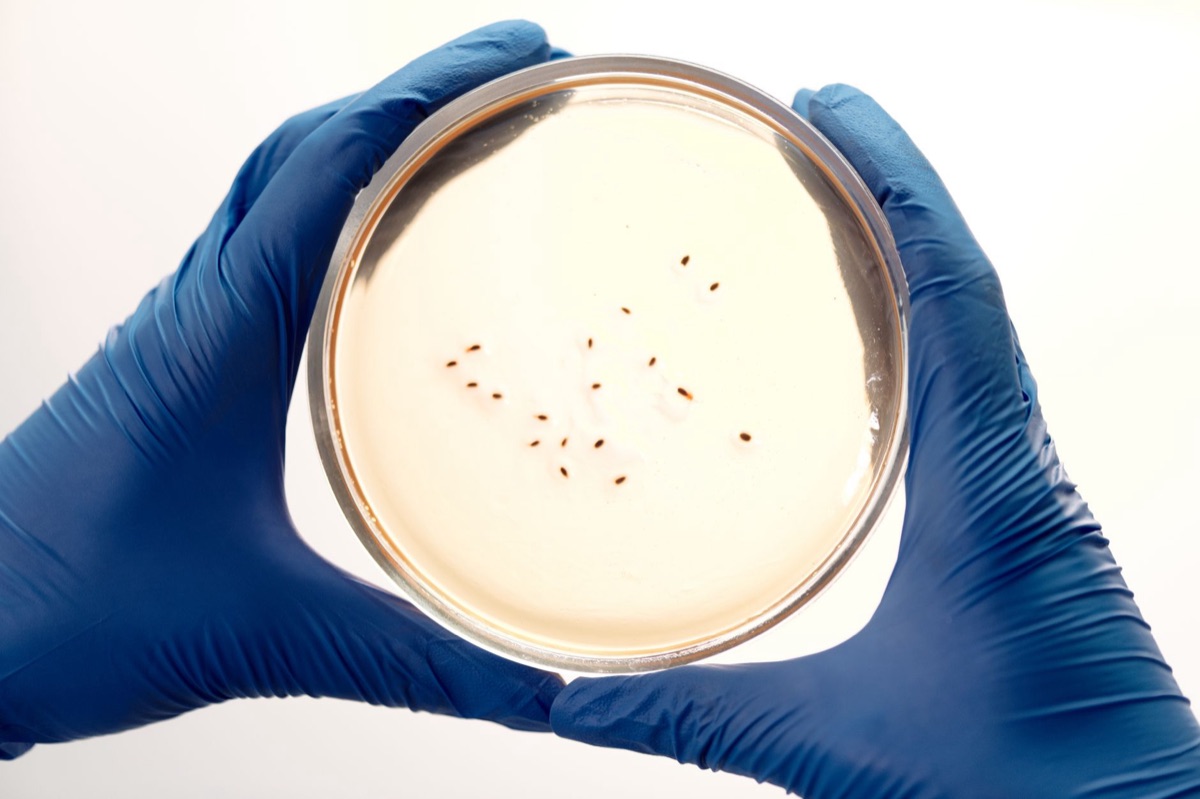
In a quiet, cluttered laboratory in 1928, a scientist noticed a strange mold killing the bacteria in a petri dish. This accidental observation changed the course of human history forever.
According to The journal of allergy and clinical immunology, a 5-day DPT resulted in a 24.1% decrease in future penicillin avoidance in 2018.
The discovery of penicillin by Alexander Fleming in the 1920s signaled the dawn of the antibiotic era. Before this, even a small scratch or a common case of pneumonia could be a death sentence.
By the 1940s, penicillin had moved from a laboratory curiosity to a life-saving cornerstone of medicine, used to treat devastating infections like syphilis and various types of pneumonia.
The integration of these drugs into public health has had long-lasting effects on how we perceive medical care. For instance, "the 5-day DPT resulted in a 24.1% decrease in future penicillin avoidance compared with classical single-dose graded DPT performed in a historical cohort".
This highlights how the widespread use and understanding of antibiotics have fundamentally shifted public health outcomes and medical reliance.
The Rise of Amoxicillin: A 1960s Breakthrough
A researcher stares at a chemical structure on a chalkboard, tweaking a single side chain to see if it changes the molecule's behavior. This precise manipulation is how modern medicine evolved from "natural" molds to "engineered" derivatives.
While penicillin was revolutionary, it had limitations; it couldn't kill every type of bacteria. In the 1960s, scientists developed amoxicillin as a derivative of ampicillin. The goal was to create a "broad-spectrum" antibiotic, meaning it could target a wider variety of harmful bacteria.
At its core, amoxicillin relies on a beta-lactam ring. This structure allows the drug to bind to specific proteins on the surface of bacteria, known as penicillin-binding proteins. By binding to these, the drug prevents the bacteria from constructing a stable cell wall.
However, maintaining the integrity of these chemical structures is a constant battle for pharmacists and manufacturers. Stability is highly sensitive to the environment. Research has noted that "hydrolysis rates increased 2.5- to 3.9-fold for a 10 °C increase in temperature".
This means that even small shifts in how a drug is stored can significantly impact its chemical stability and effectiveness.
From Lab to Clinic: How Amoxicillin Became a Standard Treatment
A pharmacist pulls a small, pink capsule from a bottle and places it into a prescription bag for a patient. This simple transaction represents decades of pharmaceutical refinement and accessibility.
Once approved for widespread use in the 1970s, amoxicillin quickly became a staple in doctor's offices across the United States. It became a first-line defense against common ailments such as urinary tract infections (UTIs) and various respiratory infections.
One of the primary reasons for its massive success was its oral bioavailability. Unlike earlier antibiotics that often required an intravenous (IV) drip in a hospital setting, amoxicillin could be taken as a pill or liquid at home.
This allowed patients to recover in comfort while ensuring the drug reached their bloodstream effectively.
While amoxicillin became a hero for human health, the broader use of antibiotics in different sectors has shown complex side effects. For example, in different biological contexts, "Tylosin reduced biogas production by 10-38% between 130 and 913 mg/L".
This illustrates that antibiotics, even when used for specific purposes, interact with biological and chemical processes in ways that extend far beyond the human body.

The War on Resistance: Amoxicillin’s Limitations
A doctor sighs while looking at a lab report, realizing the bacteria causing the patient's infection are no longer responding to the standard treatment. This is the frustrating reality of the "arms race" between medicine and microbes.
According to the Journal of environmental management, a mixture of antibiotics decreased ammonia removal efficiency in the rMBR by 5% in 2022.
The very success of amoxicillin contributed to its greatest weakness: resistance. Because the drug was so effective and widely prescribed, bacteria began to evolve. By the 1980s, strains like *Staphylococcus aureus* had developed mechanisms to bypass the drug's effects.
This resistance isn't just a medical problem; it's an environmental one. As antibiotics are processed by the body and excreted, they enter our water systems. The presence of these chemicals in the environment can disrupt essential ecological processes.
Specifically, "the mixture of antibiotics significantly decreased ammonia removal efficiency in the reciprocation MBR (rMBR) and air-scouring MBR (AS MBR) by 5% and 12%, respectively".
This shows that antibiotic runoff can actually hinder the natural biological functions of wastewater treatment plants.
By the 2000s, the medical community saw a significant rise in amoxicillin-resistant strains. This forced scientists to move away from "monotherapy" (using one drug) and toward more complex combinations to stay ahead of evolving bacteria.
Modern Applications and the Future of Antibiotic Development
A scientist peers through a microscope at a tiny, predatory virus that specifically targets bacteria, rather than human cells. This represents the "next frontier" of fighting infection without the collateral damage of traditional drugs.
According to The Science of the total environment, hydrolysis rates increased 2.5- to 3.9-fold for a 10 °C increase in temperature in 2014.
Today, amoxicillin is still a workhorse in the medical world, particularly for mild to moderate infections. However, it is rarely used alone when dealing with tougher bacteria. Instead, it is frequently paired with clavulanate (as in Augmentin).
The clavulanate acts as a shield, protecting the amoxicillin from being destroyed by the enzymes that resistant bacteria produce.
As we look toward the future, the focus is shifting. While amoxicillin remains essential, researchers are exploring "phage therapy"—using viruses that naturally kill bacteria—to combat the rising tide of resistance.
The lessons of the past decade are clear. "The 2018 study underscores the need for improved antibiotic stewardship," emphasizing that we must use these powerful tools judiciously. If we use them too often or incorrectly, we risk losing them entirely.
Comparison of Antibiotic Generations
| Feature | Original Penicillin (1940s) | Amoxicillin (1960s/70s) | Modern Combinations (Current) |
|---|---|---|---|
| Spectrum | Narrow (target specific bacteria) | Broad (target many bacteria) | Extended (target resistant bacteria) |
| Primary Use | Severe infections (IV often required) | Common infections (Oral/Liquid) | Complex/Resistant infections |
| Resistance Risk | Moderate | High | Very High (requires stewardship) |
| Delivery Method | Mostly Injectable | Mostly Oral | Oral and Injectable |
How to Ensure Effective Antibiotic Use
- Complete the Full Course: Even if you feel better after two days, the most resistant bacteria may still be alive. Finishing the prescription ensures they are all eliminated. 2. Never Share Medication: What worked for a friend's ear infection may not be the right tool for your sinus infection. 3. Follow Storage Instructions: Keep your medication in a cool, dry place to prevent the chemical breakdown mentioned in stability studies. 4. Consult a Professional: Always speak with a doctor or pharmacist if you suspect an infection is not responding to your current treatment. Note on Limitations: This article provides historical and scientific context regarding amoxicillin. It is not intended to provide medical advice, diagnosis, or specific dosage instructions. Always consult a licensed healthcare provider for medical concerns.


Comments 0