Generics API tariff: 300 mg tablets withdrawn guide
"The stability of the medicine supply chain depends on the delicate balance of regulatory standards and the cost of raw materials."
The relationship between active pharmaceutical ingredient (API) tariffs and generic drug pricing is a complex economic driver that influences global healthcare affordability.
This article examines how import duties on raw materials impact the cost-effectiveness of generic medications and the supply chain.
Key takeaways include the role of bioequivalence in market stability, the impact of global API sourcing on pricing, and how regulatory frameworks manage the transition from brand-name to generic products.
How does the API tariff effect on generics influence market stability?
A distributor examines a shipment of raw materials arriving at a busy port. The cost of these essential ingredients fluctuates based on international trade policies, directly impacting the final price of medications.
The API tariff effect on generics often dictates whether a manufacturer can maintain a steady supply of affordable medicine. When import duties on active ingredients rise, the cost of production increases, which can lead to higher retail prices for patients.
This price volatility can disrupt the predictable cost-saving benefits that generics typically provide to the healthcare system.
In some instances, higher costs lead to market withdrawals. For example, in 2012, Impax Laboratories's 300 mg extended-release tablets, marketed by Teva Pharmaceutical Industries, were withdrawn from the US market after the FDA determined they were not bioequivalent.
Such shifts demonstrate how regulatory requirements and cost pressures intersect in the marketplace.
Fluctuations in import costs can lead to unpredictable pricing shifts, potentially destabilizing the supply of essential medications.
Can we understand the raw material tax impact through historical data?
Late at night in the quiet library, a researcher rubs her tired eyes while scanning old ledgers to trace how tax shifts reshaped the market for generics.
A researcher reviews decades of prescription data to find patterns in drug pricing. The numbers reveal a massive shift toward generic substitution over the last several decades.
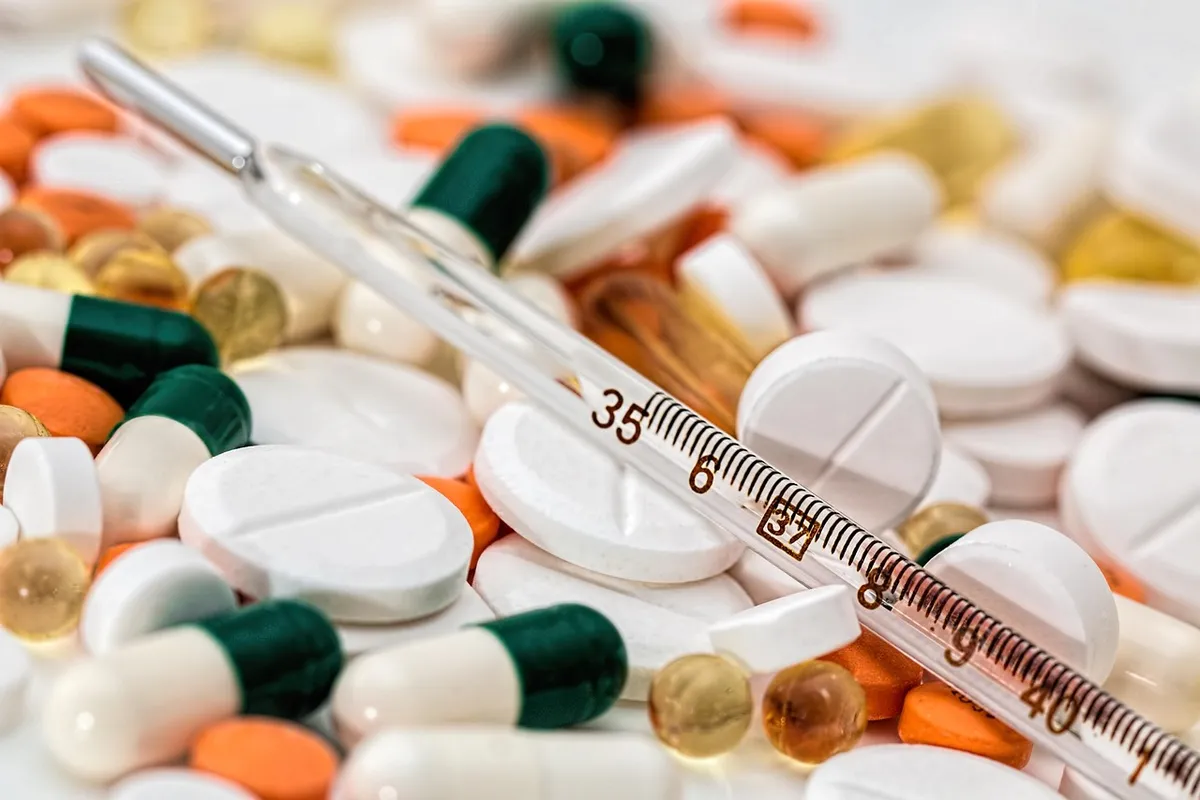
The raw material tax impact is significant because generics represent a massive portion of the global drug market. In 2014, according to an analysis by the Generic Pharmaceutical Association, generic drugs accounted for 88 percent of the 4.3 billion prescriptions filled in the United States.
This high volume means that even small changes in the cost of raw materials due to tariffs can result in massive shifts in total healthcare spending.
Understanding these shifts requires looking at the scale of the industry. The sheer volume of prescriptions means that any tax on imported ingredients affects millions of people simultaneously. Maintaining an efficient supply chain is critical to preventing sudden price spikes.
Analyzing past tax adjustments helps identify how cost increases in raw materials correlate with changes in final product availability.
What is the relationship between generic drug pricing tariff and bioequivalence?
A scientist in a laboratory compares a generic sample to a brand-name reference. The goal is to ensure the chemical profile matches the original exactly.
The generic drug pricing tariff is often tied to the technical necessity of meeting strict bioequivalence standards.
For a generic medicine to be considered bioequivalent, the European Medicines Agency (EMEA) requires that the bioavailability lies between 80% and 125% of the original branded medicine. Meeting these high standards while managing import costs is a constant challenge for manufacturers.
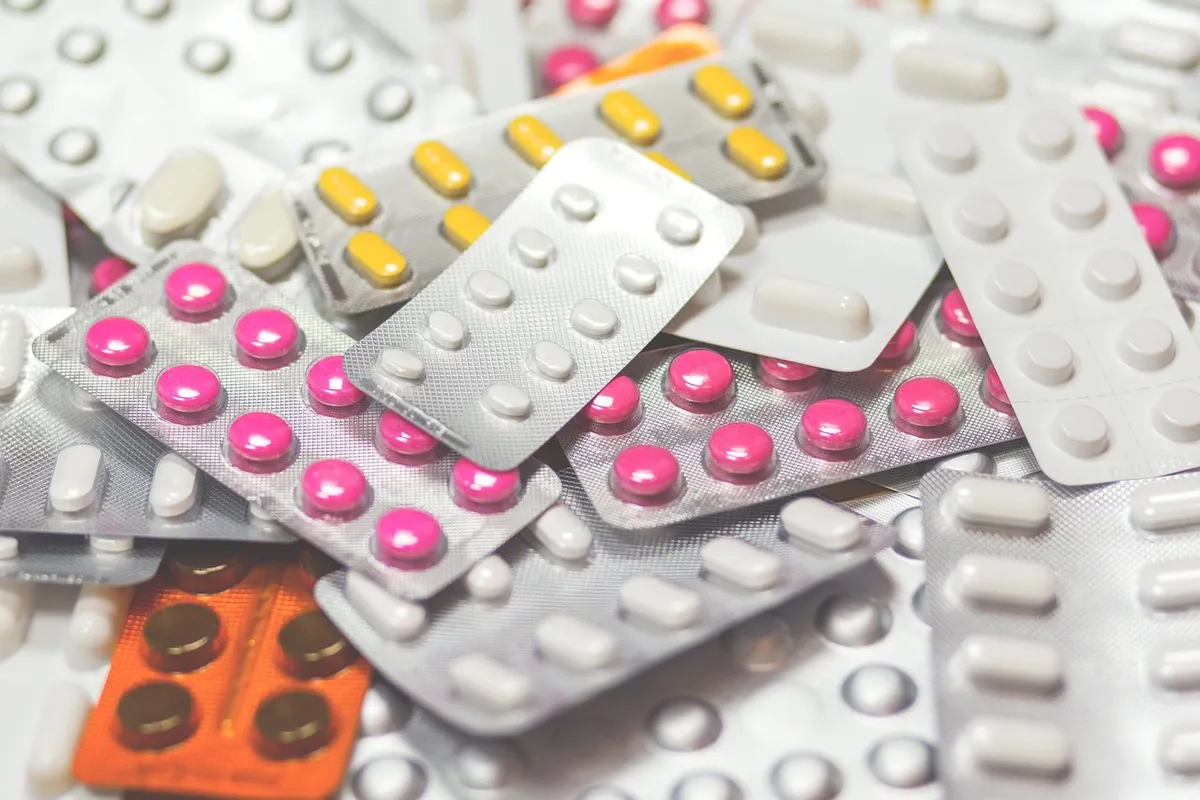
If the cost of high-quality raw materials increases due to tariffs, manufacturers may struggle to maintain the necessary bioequivalence while keeping prices low. This tension between quality standards and cost management defines the competitive landscape of the generic industry.
While tariffs impact the final price, they do not alter the biological equivalence of the drug to the brand-name version.
How does the API import duty cost affect global supply chains?
An empty warehouse shelf serves as a reminder of a disrupted supply chain. Logistics managers work to find alternative sources when primary suppliers face new trade barriers.
The API import duty cost can lead to significant shifts in where companies source their ingredients. For instance, China remains the largest exporter of active pharmaceutical ingredients, accounting for 40% of the world market per a 2017 estimate.
When tariffs are applied to these large-scale exports, it can cause a ripple effect across the entire global generic market.
A sudden change in trade policy can force manufacturers to find new suppliers, often in different regions. This search for stability can be difficult when trying to maintain the same quality of ingredients used in the original brand-name formulations.
Increased duties often force manufacturers to seek alternative sourcing, which can disrupt established international logistics networks.
What is the medicine price tariff link in terms of market ceiling?
A pharmacist stocks shelves with various generic brands. The diversity of products reflects the competitive nature of the pharmaceutical market.
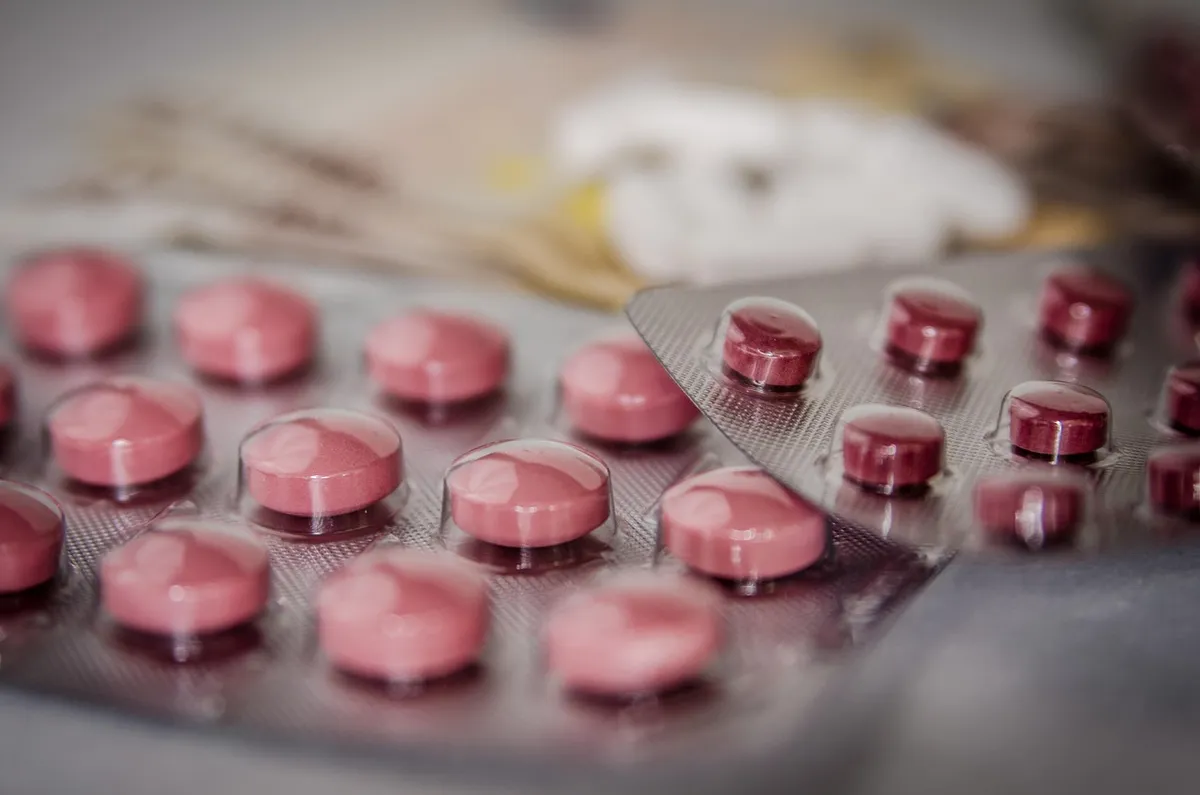
According to The Association of the British Pharmaceutical Industry, the maximum possible level for generic prescribing would be in the region of 90%, as a number of medicines have either no generic equivalent or are not appropriate for substitution.
The medicine price tariff link is also shaped by the natural limits of generic substitution.
The Association of the British Pharmaceutical Industry (ABPI) suggests that the maximum possible level for generic prescribing would be in the region of 90%, as a number of medicines have either no generic equivalent or are not appropriate for substitution.
This ceiling prevents the market from being entirely dominated by generics.
Because some drugs cannot be easily substituted, the pricing of those specific medications remains more sensitive to the cost of specialized raw materials. This creates a tiered market where some drugs are highly competitive and others are strictly controlled by availability.
Tariffs can push the cost of generics closer to the maximum price allowed by regulatory bodies, narrowing profit margins.
How to manage the transition from brand to generic?
A patient picks up a prescription at a local pharmacy. The pharmacist explains the difference between the brand-name and the generic version.
Managing the transition from brand-name to generic involves several critical steps to ensure patient safety and economic efficiency.
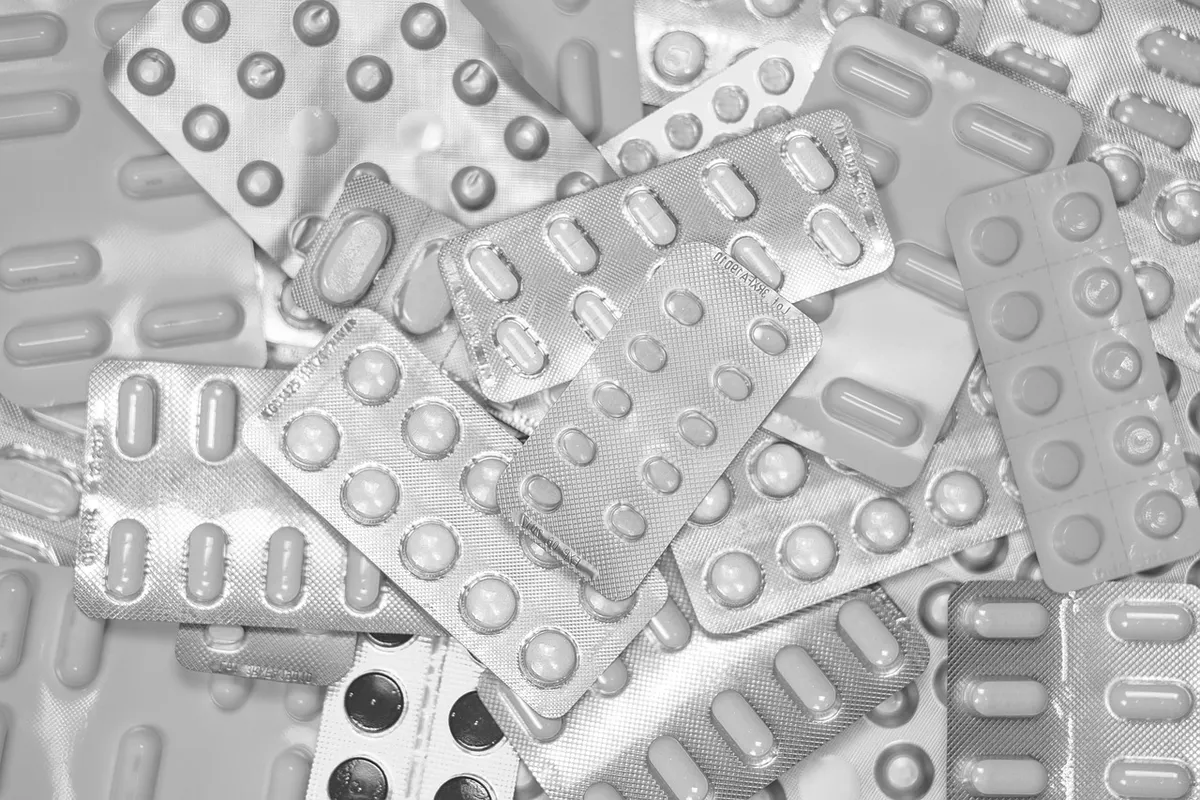
- Verify bioequivalence through rigorous testing to ensure the drug performs identically to the brand-name version. 2. Monitor market supply to prevent "bounces" where manufacturers withdraw from the market due to low-price environments. 3. Utilize regulatory lists, such as the FDA's therapeutic equivalence evaluations, to guide substitution.
I once observed a pharmacy transition where the sudden loss of a specific generic manufacturer led to a temporary shortage of an essential medication. A final check of the supply chain and ingredient availability is necessary to ensure these transitions do not leave patients without treatment.
| Metric | Value |
|---|---|
| US Generic Prescriptions (2014) | 4.3 billion |
| US Generic Savings (2014) | US$254 billion |
- Assess the cost-saving potential of the generic alternative.
- Verify the bioequivalence and quality standards of the new product.
- Implement a gradual substitution plan to ensure patient continuity.
- In this order, the second step is the most detailed.
Related
- Nefazodone antidepressant class: Why monitor its effects
- Repaglinide brand names: Guide to its use and function
Disclaimer: This article is general information, not medical advice. Consult a qualified healthcare professional before taking any supplement or medication.








Comments 0