CBD food regulation US: Why CBD cannot be food
CBD food regulation in the United States remains restricted because federal law prohibits the inclusion of cannabidiol in consumable products like food, dietary supplements, or animal feed.
While hemp-derived products are available for topical use, they cannot be marketed as food items under current legal frameworks.
Key takeaways: * Federal law prohibits CBD from being sold as a food ingredient, dietary supplement, or animal feed. * Hemp is legally defined by a THC concentration of 0.3% or less on a dry-weight basis.
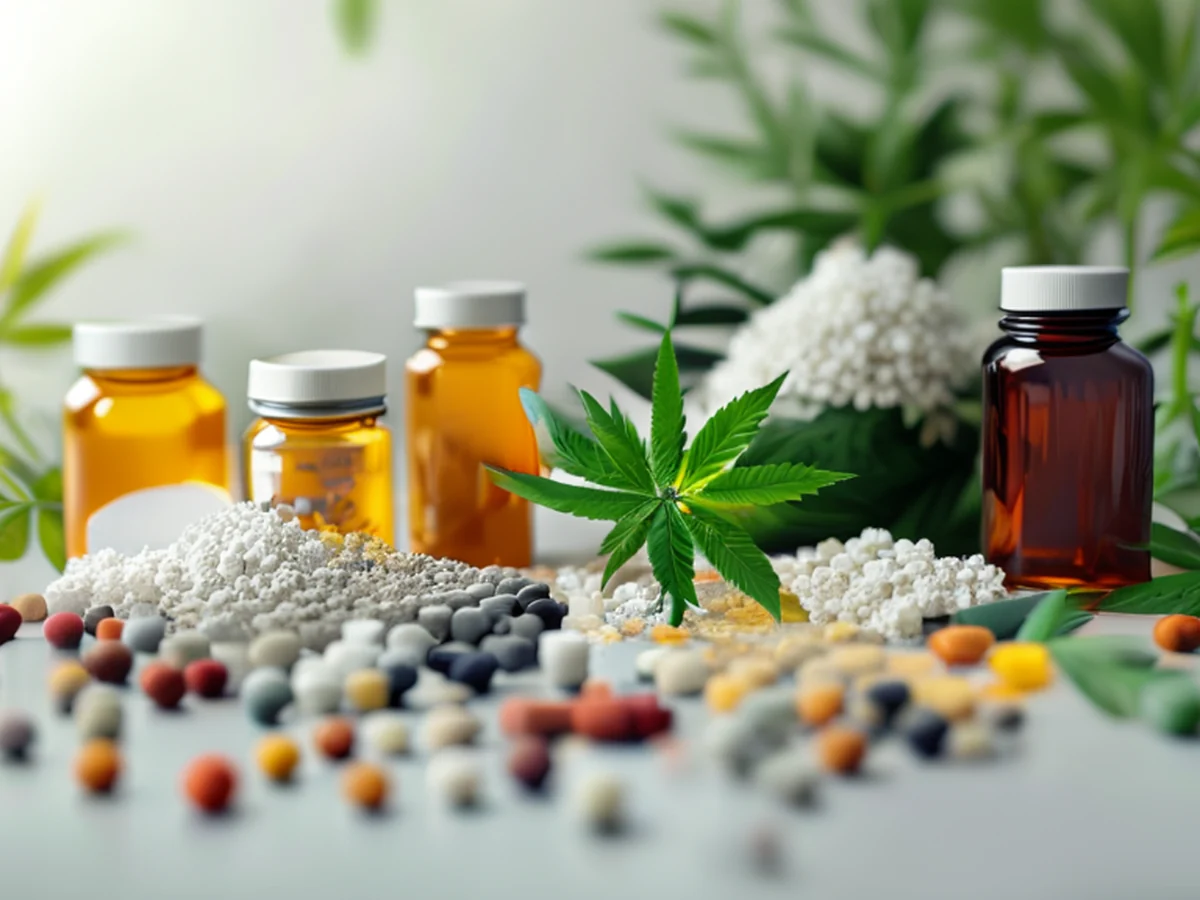
* * Certain hemp seed ingredients have been granted GRAS status, provided they do not naturally contain CBD or THC.
Why is CBD not food under US law?
A person walks through a grocery aisle, looking at various hemp-based snacks, only to realize the labels specify topical or cosmetic use. This distinction exists because of how federal law categorizes plant extracts and their intended uses.
This legal boundary prevents manufacturers from adding CBD to everyday consumables. Even though hemp is a common agricultural product, its chemical components trigger specific regulatory hurdles when intended for ingestion.
The classification of hemp depends heavily on its THC content. As defined by US federal law, non-psychoactive hemp is any part of the cannabis plant containing a Δ9-tetrahydrocannabinol concentration of no more than 0.3% on a dry-weight basis.
Because CBD is a phytocannabinoid found in these plants, its presence in food products complicates its legal status as a consumable.
##
A scientist reviews a series of clinical trials to determine if a substance meets the rigorous standards for human consumption.
This approval was specific to a drug application rather than a general allowance for food additives.
Safety assessments also look at the natural components of hemp. In December 2018, the US Food and Drug Administration declared hemp seed ingredients that do not naturally contain THC or CBD as generally recognized as safe (GRAS).
This distinction is crucial because it separates pure hemp seeds from extracts containing high levels of cannabinoids.
How do US CBD ingredient rules distinguish between products?
A consumer compares a bottle of CBD-infused lotion with a bag of hemp seeds at a local market. The difference in labeling and intended use reflects the complex regulatory landscape of the United States.
According to the Food and Drug Administration, hemp seed ingredients that do not naturally contain THC or CBD but may be contaminated with trace amounts on the outside during harvesting were declared as generally recognized as safe in December 2018.
The regulatory environment differentiates between topical applications and ingestible goods. While the FDA regulates cosmetics, it holds much stricter authority over food and supplements. This is why you might find CBD in a beauty cream but not in a protein bar.
The distinction also involves the chemical makeup of the hemp itself. For example, the Colorado Industrial Hemp Program registers growers and samples crops to verify that the dry-weight THC concentration does not exceed 0.3%.
This level of control ensures that the raw material meets the legal definition of hemp.
What is the role of FDA cannabis safety in medical approvals?
A doctor discusses a specialized prescription with a patient, noting that the medication is different from over-the-counter supplements. The path from a plant extract to an approved medicine involves intensive scrutiny.
The approval of Epidiolex in 2018 demonstrated that the FDA recognizes the medicinal potential of certain cannabinoids under strict controlled conditions. However, this does not translate to a broad permission for all CBD products to enter the food supply.
The FDA's focus remains on the safety and efficacy of substances used for specific medical conditions. When a substance is used as a medicine, it follows a different regulatory path than when it is treated as a food ingredient.
This prevents the accidental consumption of substances that have not undergone full clinical validation for food safety.
Why is CBD not food when it is a natural plant extract?
An observer watches a manufacturer process hemp seeds, noting the careful separation of parts to avoid contamination. The presence of specific cannabinoids changes how a plant is viewed by regulators.
The primary reason CBD is not categorized as food is its interaction with existing drug regulations. When a substance has medicinal properties, it often falls under the category of a drug rather than a food additive.
This dual identity creates a conflict when companies attempt to market it as a snack or drink.
The FDA also considers the potential for contamination. While hemp seed ingredients were declared GRAS in December 2018, this applies to ingredients that do not naturally contain CBD or THC.
If a product is intended for food, the presence of CBD can shift its classification away from a safe food additive.
- Why is CBD not food under US law?
- A scientist reviews a series of clinical trials to determine if a substance meets the rigorous standards for human consumption.
- How do US CBD ingredient rules distinguish between products?
CBD food regulation US
The subject here is CBD food regulation US.
The same subject is also called FDA CBD safety rules.
The same subject is also called Why CBD not food.
This part also covers FDA safety standards for CBD.
This part also covers Regulating hemp in food.
Related
- API tariff impact on generic prices: 40 percent world market
- Oxycodone combination history: Why drug combination is vital
Disclaimer: This article is general information, not medical advice. Consult a qualified healthcare professional before taking any supplement or medication.
FAQ
Why can't I buy CBD in my cereal?
Is all hemp-derived CBD safe for consumption?
Related posts
API tariff impact on generic prices: 40 percent world market
Oxycodone combination history: Why drug combination is vital
Repaglinide mechanism of action: Tips for better blood sugar
Comments 0