Drug ingredient structure: Guide to body interactions
"The molecular structure of a substance dictates how it interacts with the human body, determining both its therapeutic potential and its risks."
Understanding drug ingredient structure is essential for grasping how different medications function and how they are regulated. This guide examines how chemical makeup influences biological responses, the variety of available dosage forms, and the regulatory oversight ensuring public safety.
How does drug ingredient structure affect the body?
A scientist peers through a microscope at a complex molecular chain to see how it fits into a biological receptor. This drug ingredient structure determines the specific biological effect a person experiences when they take a medication.
Chemical variations can significantly change how a body responds to a treatment. For example, research published in ACS nano (2025) indicates that reducing the PEG chain length and molar ratio of PEG-lipids increased antigen-specific antibody and CD8 + T cell responses.
Such minute changes to a medicine structure vary the strength and type of immune response.
The way molecules dock with proteins also plays a role in efficacy. According to Frontiers in cellular and infection microbiology (2024), molecular docking revealed that wogonin, kaempferol, luteolin, and quercetin each exhibited significant affinity in their respective interactions with TP53.
These specific interactions are what make a drug effective for its intended purpose.
The specific arrangement of atoms determines how a molecule interacts with biological receptors.
What are the common dosage forms available?
She stands in the kitchen at dawn, swallowing a smooth capsule while feeling the dry texture of the drug coating her throat.
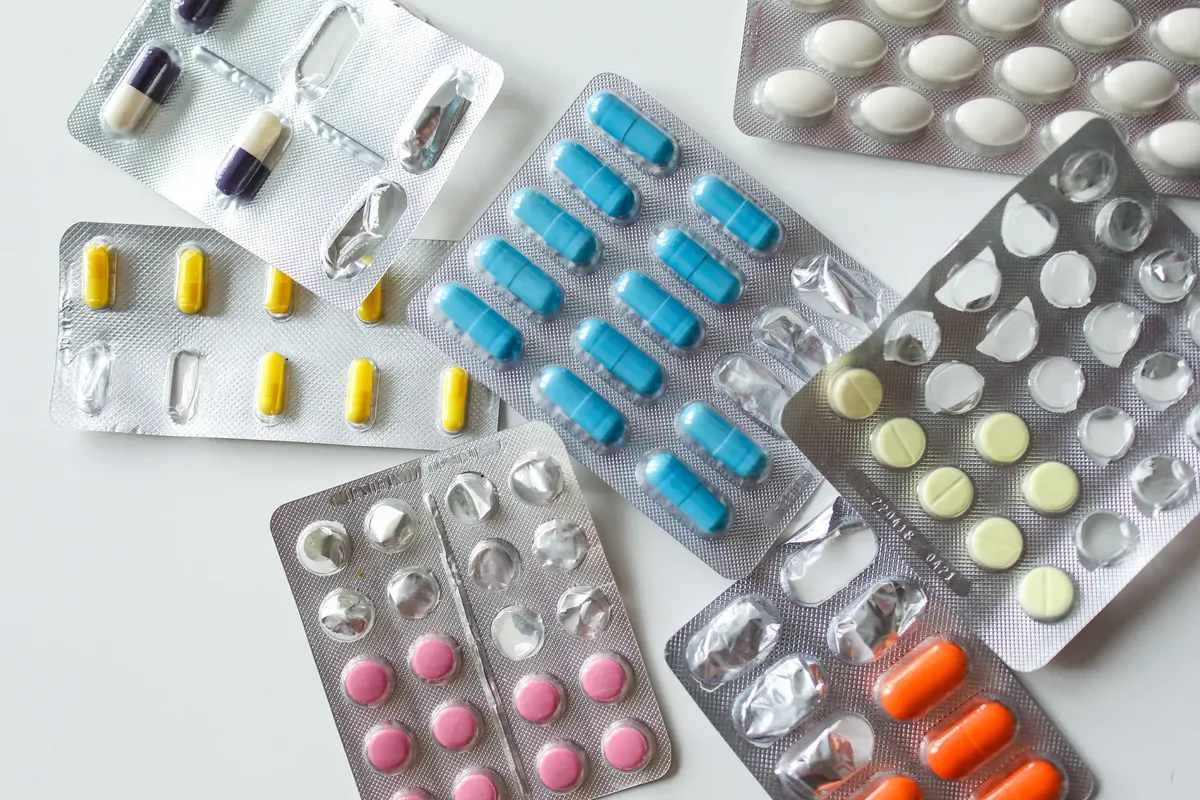
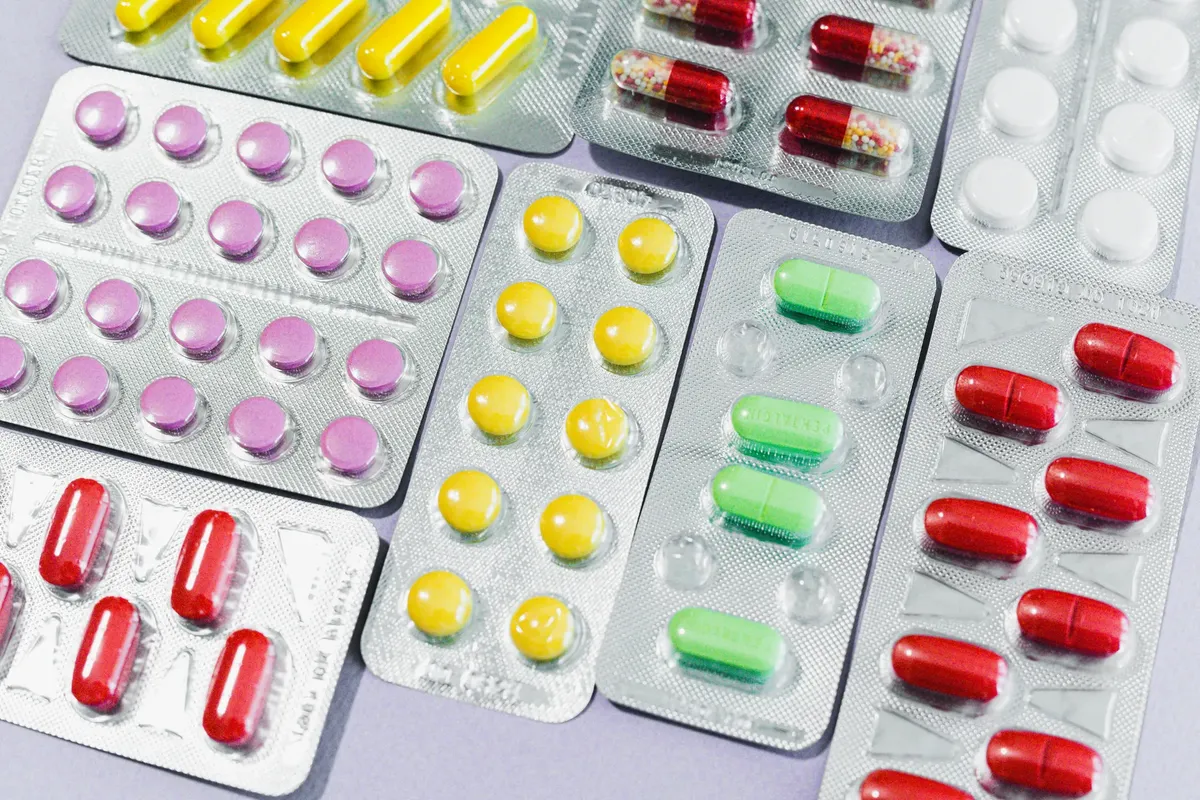
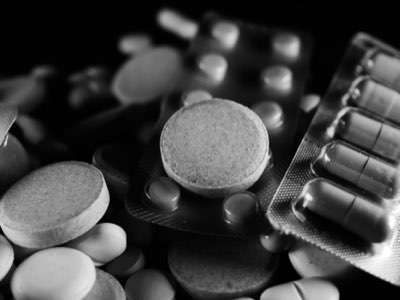
A pharmacist organizes a shelf filled with various shapes, colors, and textures of medication. Different delivery methods are used to ensure the active ingredients reach the correct parts of the body at the right time.

The National Cancer Institute defines dosage forms of medication to include tablets, capsules, liquids, creams, and patches. Choosing the right drug often depends on which of these formats best suits the patient's needs and the drug's chemical stability.
| Dosage Form | Common Use Case |
|---|---|
| Tablets and Capsules | Oral administration for systemic effects |
| Liquids and Creams | Topical or easy-to-swallow applications |
A patient takes a single swallow of a pill, feeling the smooth surface of the coating. Understanding drug safety begins with recognizing that the physical form is just as important as the chemical composition.
- Solid forms like tablets or capsules.
- Liquid forms like syrups or suspensions.
- Injectable forms for immediate delivery.
How is drug safety ensured before and after release?
A regulatory officer reviews a thick stack of clinical trial data to ensure a new chemical entity meets safety standards. Before any substance reaches a pharmacy, it must undergo rigorous scrutiny to prove it is safe for public use.
The FDA review process requires that a drug is sent to the FDA before launching the drug into the market. This initial step ensures that the chemical properties and clinical data meet strict requirements.
Once a product is available to the public, the FDA post-market review ensures the drug is reviewed and monitored for safety.
Regulatory bodies around the world manage different aspects of availability and cost. For instance, the Patented Medicine Prices Review Board in Canada examines drug pricing and determines if a price is excessive or not.
In India, drug prices are regulated by the National Pharmaceutical Pricing Authority.
In this sequence, the second step is the most extensive.
What happens during the regulatory review process?
An inspector walks through a manufacturing facility to verify that production matches the approved chemical formula. The process of bringing a new medicine to life involves several layers of verification.
- Submit the drug to the relevant regulatory body for an initial review before market launch. 2. Monitor the drug through post-market surveillance to track long-term safety and side effects. 3. Adhere to international laws, such as those imposed by the International Narcotics Control Board of the United Nations, which prohibit certain drugs.
A researcher compares a new compound against a known standard to ensure stability. This systematic approach helps prevent dangerous substances from reaching the public.
Regulatory bodies evaluate clinical data to determine if the benefits outweigh the risks.
How do different countries regulate medicine?
A traveler looks at a medicine bottle from a different country, noting the different labeling and packaging. Because laws vary by nation, the availability and cost of medications can change significantly across borders.
As reported by Lancet (London, England), the dramatic increase in homicides in Mexico since the government decided to use military forces against drug traffickers in 2006 has been so great that it reduced life expectancy in the country.
In the UK, the Pharmaceutical Price Regulation Scheme is intended to ensure that the National Health Service is able to purchase drugs at reasonable prices. This type of oversight is common in many nations to manage healthcare costs.
The Alliance seeks broader availability of investigational drugs on behalf of terminally ill patients. This highlights how different organizations work to balance regulatory rigor with the urgent needs of patients.
Each nation maintains its own legal framework to oversee pharmaceutical standards.
Wikipedia: MDMA Based on the retained excerpt mentioning Abuse and Mental Health Services Administration: In the United States, according to the Substance Abuse and Mental Health Services Administration 2021 National Survey on Drug Use and Health, among people aged 12 or older, 0.8% (2.2 million people) reported the use of ecstasy in the past year.
Related
Why is the molecular structure so critical?
The molecular structure dictates the specific biological effect experienced by a person taking a medication. This chemical makeup determines how the substance interacts with the body's biological receptors.
Minute variations in the chemical structure can profoundly alter the body's reaction to the treatment administered.
For instance, the interaction between a drug ingredient structure and a biological receptor is highly dependent on shape complementarity. The way molecules dock with proteins is a direct consequence of this structure, making the intended therapeutic action possible.
Small changes in structure can drastically alter the potency or toxicity of a drug.
What cautions accompany the dosage form?
While the dosage form ensures proper delivery, the physical form must match the chemical stability of the substance. A liquid form, for example, might be necessary for a patient who cannot swallow a tablet. The coating on a tablet serves a function beyond merely making it easy to swallow.
This combination of molecular structure and dosage form is what translates a chemical entity into a functional medicine. The successful journey from raw chemical to therapeutic agent relies on both the intrinsic molecular properties and the extrinsic delivery mechanism.
Disclaimer: This article is general information, not medical advice. Consult a qualified healthcare professional before taking any supplement or medication.





Comments 0