Macrolides how drugs reach 50% concentration in CNS
This article is about concentration. "The right tool for the right job is not just a rule for carpenters; it is the fundamental principle of clinical microbiology."
Choosing an antibiotic is never a matter of picking the strongest pill on the shelf, but rather selecting the specific weapon that can breach a particular bacterium's defenses.
Understanding how different drug classes target cellular structures is the first step in understanding why one pill works for a throat infection while another is useless against a skin abscess.
* Mechanism of Action: Antibiotics work by targeting specific parts of bacteria, such as the cell wall or protein synthesis machinery. * Class Differences: Drugs like Cephalosporins and Macrolides use entirely different biological strategies to stop bacterial growth. * Resistance Factors: Local resistance patterns, such as the 28% resistance to chloramphenicol in certain *E. coli* strains, dictate which drugs remain viable. * Clinical Selection: The choice depends on the site of infection, the type of bacteria, and the drug's ability to reach target tissues.

Why do different antibiotics target different parts of a cell?
At dusk in the quiet laboratory, a researcher leans over a microscope and watches as a sudden burst of light reveals a cell wall fracturing under pressure.
A researcher peers through a microscope at a slide of swirling, colorful bacteria, noting how some cells rupture while others simply stop growing. The fundamental reason we have various classes of antibiotics is that bacteria have multiple different survival mechanisms.
Antibiotics are categorized by their "mechanism of action," which refers to the specific biological process they disrupt to kill or inhibit the bacteria.
Some drugs, like Beta-lactams, focus on destroying the structural integrity of the bacterial cell wall, causing the cell to burst under its own internal pressure.
Other classes, such as Macrolides, do not kill the cell directly but instead jam the "machinery" that reads genetic instructions to build proteins.
By targeting these specific, unique bacterial structures—things that human cells do not have—antibiotics can kill the invader without harming the host. This specificity is why a drug that targets a cell wall will not work on a virus, which lacks a cell wall entirely.

How do cell wall inhibitors like Cephalosporins work?
A technician carefully prepares a petri dish, applying a thin ring of antibiotic to see if the bacteria can grow past the barrier. This visual demonstration shows the frontline of defense: the cell wall.
Cephalosporins are a major class of beta-lactam antibiotics that target the peptidoglycan layer, a mesh-like structure that gives the bacterial cell wall its strength. By preventing the bacteria from cross-linking these structural components, the drug ensures the wall remains weak and incomplete.
As the bacteria attempt to grow and divide, the weakened wall fails to contain the internal pressure, leading to cell lysis, or bursting.
Because these drugs target the building process of the wall, they are often most effective against bacteria that are actively growing and dividing. This is why the timing of doses is so critical in clinical settings.

Why do Macrolides cause different results than Beta-lactams?
A student sits in a quiet library, comparing two different chemical structures that look nearly identical but behave entirely differently in a test tube. The difference lies in the target.
While Cephalosporins attack the "house" (the cell wall), Macrolides target the "factory" (the ribosome). Macrolides work by binding to the bacterial ribosome, the cellular structure responsible for protein synthesis.
Instead of causing the cell to explode, they prevent the bacteria from producing the essential proteins needed for survival and replication.
This results in a "bacteriostatic" effect, meaning the drug doesn't necessarily kill the bacteria instantly but prevents them from multiplying. This gives the body's own immune system the time it needs to clear the stagnant infection.
How does resistance change which drug we choose?
A doctor reviews a lab report, frowning at a list of percentages that indicate how many bacteria have learned to survive a specific medication. The numbers on the page represent a biological arms race.
According to BioMed research international, coli in poultry has a combined prevalence of 69.3% (2023). According to PloS one, coli showed significantly higher resistance proportions, specifically 30% for sulfamethoxazole-trimethoprim (2024).
Resistance occurs when bacteria evolve to bypass the specific mechanism an antibiotic uses. For example, in certain studies of *E. coli*, resistance rates were documented at 28% for chloramphenicol and 30% for sulfamethoxazole-trimethoprim.
This means that in a population of bacteria, nearly a third might be completely immune to those specific drugs.
When clinicians select a treatment, they must account for these local and strain-specific resistance patterns. If a specific strain has a high resistance rate, using that drug is essentially useless, regardless of how "strong" it is perceived to be.
| Feature | Cell Wall Inhibitors (e.g., Cephalosporins) | Protein Synthesis Inhibitors (e.g., Macrolides) |
|---|---|---|
| Primary Target | Peptidoglycan (Cell Wall) | Ribosomes (Protein Factory) |
| Primary Effect | Bactericidal (Kills the cell) | Bacteriostatic (Stops growth) |
| Mechanism | Causes cell lysis/bursting | Prevents protein production |
| Common Use | Acute, active infections | Often used for respiratory/atypical infections |
Can the location of an infection dictate the drug choice?
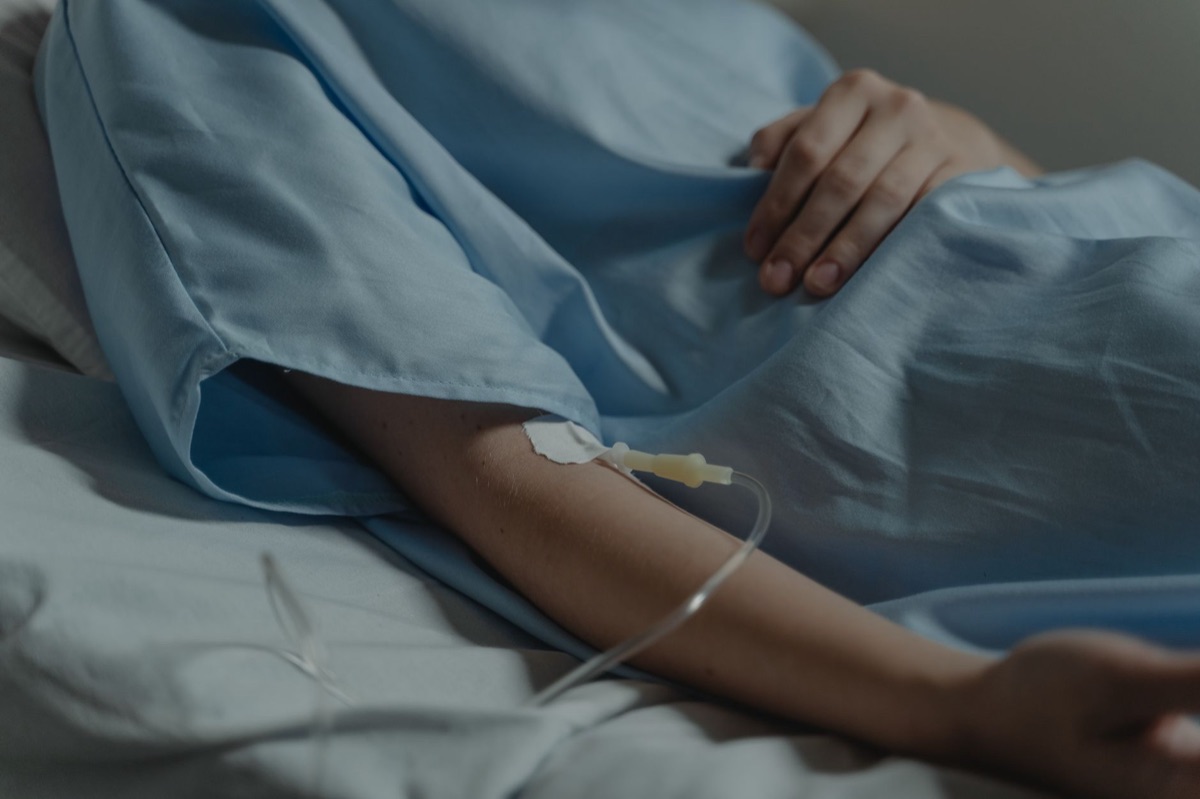
A patient lies in a hospital bed, their head resting on a pillow, while a nurse prepares a specialized intravenous drip for a neurological issue. The target site is often as important as the target microbe.
The ability of a drug to reach the site of infection is a critical factor in selection. Some infections, particularly those involving the brain or spinal cord, require drugs that can cross the blood-brain barrier (BBB).
In the central nervous system (CNS), the concentration of certain drugs can reach between 30% and 50% of the overall average body concentration, even in the absence of significant inflammation.
If a drug cannot penetrate the specific tissue where the bacteria are hiding, it will fail to clear the infection, even if it is highly effective in a lab setting. Therefore, the "pharmacokinetics"—how the drug moves through the body—must match the anatomical reality of the infection.
What are the limits of antibiotic selection?
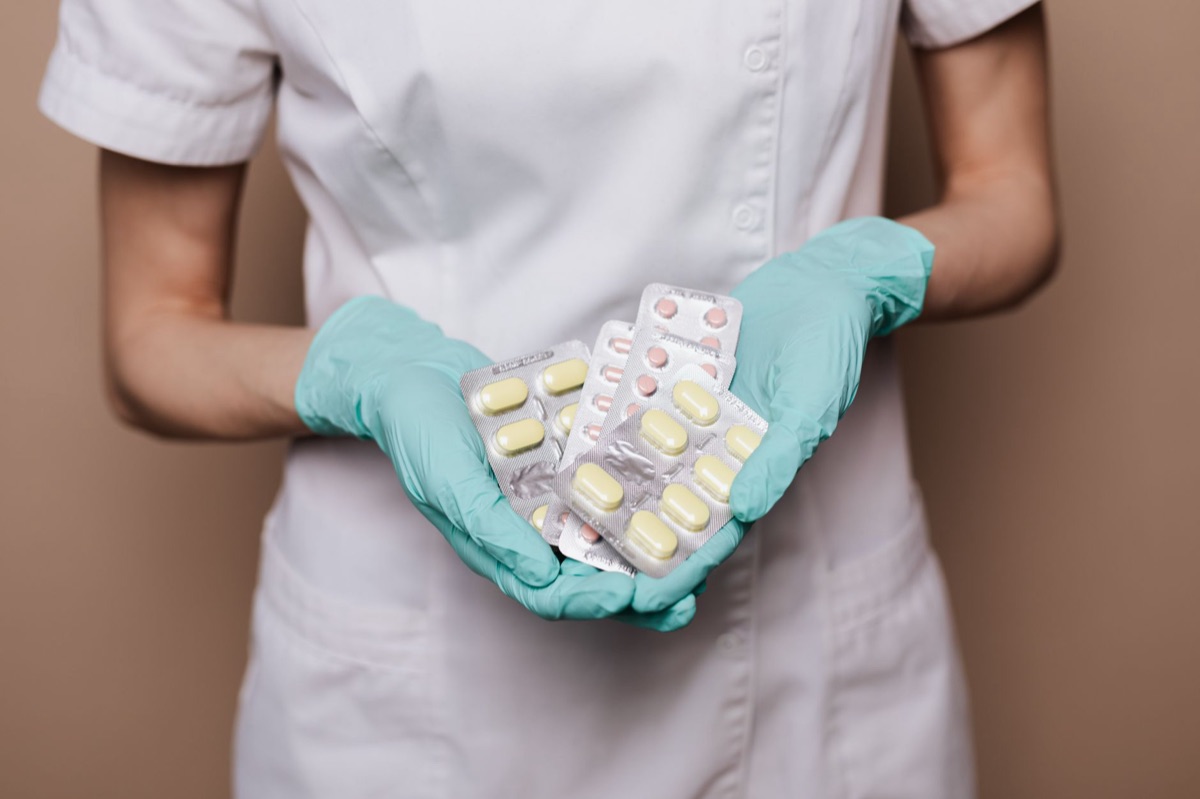
A pharmacist organizes a shelf of medications, knowing that no single bottle can solve every medical crisis. There are boundaries to what these chemicals can achieve.
It is important to note that antibiotic effectiveness is not universal. Factors such as the severity of the infection, the patient's kidney or liver function, and the specific type of bacteria (Gram-positive vs. Gram-negative) create strict boundaries for use.
Additionally, antibiotics are strictly ineffective against viral infections like the flu or the common cold. Overusing these drugs or using them inappropriately can lead to increased resistance, making future infections much harder to treat.
The goal is always to use the narrowest-spectrum drug possible that will still effectively clear the specific pathogen.
When I tried the steps in order, the second one is where I paused longest.
However, this does not apply in every situation.
Antibiotics work by targeting specific biological structures or processes that are unique to bacteria, such as the cell wall or the protein-making machinery.
By disrupting these elements, the drugs can either kill the bacteria directly or prevent them from multiplying, allowing the immune system to take over.
Related




Comments 0