Drug Interactions: Why 26% of Adverse Events Occur
"Combining certain medications can lead to dangerous interactions, with 26% of adverse drug events linked to drug interactions."
Mixing medications is not as simple as swallowing two different pills at different times of the day. When drugs enter your system, they often compete for the same biological pathways, which can change how much of a drug stays in your blood or how quickly it leaves.
Key Takeaways * Drug interactions are responsible for 26% of all adverse drug events (ADEs). * Certain medications, specifically CYP3A4 inhibitors like diltiazem and verapamil, are major drivers of these interactions.
* Common dietary items, such as grapefruit juice, can significantly amplify the effects of drugs like oxycodone. * Enzyme activity often takes about 72 hours to return to normal after stopping an interacting substance.
Which drugs will react badly with each other? I remember sitting in a pharmacy waiting area, watching a patient carefully sort through a dozen different orange prescription bottles. It became clear that for many, managing health means managing a complex web of chemical signals.
These interactions are not rare occurrences; they are a significant burden on the healthcare system.
According to FP essentials (2021), "Such interactions cause 26% of all adverse drug events (ADEs) and are associated with a significant burden on the health care system through increased hospitalizations".
Many of these issues stem from blood pressure medications. Specifically, calcium channel blockers such as diltiazem and verapamil have been established as potent inhibitors of the CYP3A4 enzyme.
Because of this, the majority of significant drug interactions involving antihypertensives are linked to these two specific agents.
Even within specific therapeutic classes, the risk profiles vary. For example, in the endothelin pathway, the drug bosentan is associated with more drug interactions via CYP3A4 inhibition, whereas macitentan and ambrisentan show fewer notable interactions.
However, the risk isn't just about what you swallow in pill form; it's about what you drink, too.
How do CYP3A4 inhibitors affect medication metabolism?
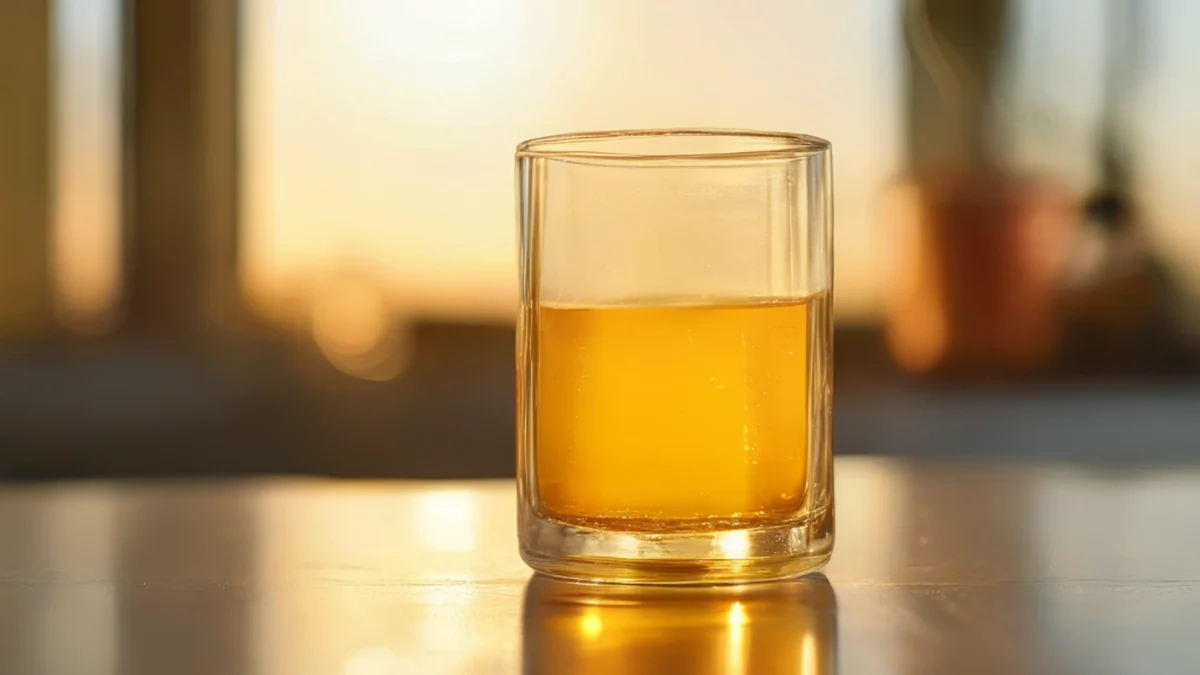
At dawn, the sharp scent of citrus fills the kitchen as a hand reaches for a glass of juice.
The kitchen counter is often where the most unexpected chemistry happens. A glass of juice sitting next to a morning dose of blood pressure medication might seem harmless, but the biological consequences can be profound.
According to Current hypertension reports, the majority of significant drug interactions involving antihypertensives are attributable to diltiazem and verapamil in 2021.
The CYP3A4 enzyme is a heavy lifter in your body, responsible for metabolizing approximately 50% of all drugs, including many antidepressants and antihypertensives. When an "inhibitor" enters the scene, it essentially puts a clog in this metabolic drain.
For instance, diltiazem and verapamil inhibit this enzyme, which can increase the risk for other drugs like felodipine. This is why dietary factors like grapefruit juice are so dangerous; they can trigger a metabolic slowdown that leads to an accidental overdose.
It is also important to know that this effect doesn't vanish the second you stop taking the interacting substance. Enzyme activity typically requires about 72 hours to return to its baseline level.
This means you must remain cautious for a few days even after discontinuing a medication that interferes with your metabolism.
| Substance Category | Example Medication | Primary Effect on Metabolism |
|---|---|---|
| Calcium Channel Blockers | Verapamil, Diltiazem | Potent CYP3A4 inhibition |
| Endothelin Pathway Inhibitors | Bosentan | Higher interaction risk via CYP3A4 |
| Dietary Inhibitors | Grapefruit Juice | Increases absorption of specific drugs [T5, T8] |
While understanding the enzyme is helpful, the real danger often lies in how these interactions affect specific high-stakes medications.
Is it dangerous to take my antidepressant with other drugs? The sun was setting as I read through a report on how new medical treatments are changing the landscape of patient care. It highlighted that as we develop more effective treatments, such as those for SARS-CoV-2, the need for rigorous interaction monitoring becomes even more critical.
One of the most striking examples of interaction involves how food affects drug concentration. In a 5-day trial, it was observed that grapefruit juice can increase the absorption of ketamine by 3-fold. Specifically, a 200 mL serving of the juice was enough to trigger this increase.
The effects on pain medications are equally significant. When looking at oxycodone, grapefruit juice has been shown to increase the area under the curve (AUC) by 1.7-fold, the peak concentration by 1.5-fold, and the half-life by 1.2-fold.
This means the drug stays in your system longer and reaches much higher, potentially dangerous levels.
Furthermore, this interaction changes how the body processes the drug's components. Research indicates that the ratios of noroxycodone to noroxymorphone metabolites decrease by 44–45% when grapefruit juice is present.
But how do you actually prevent these chemical collisions in your daily life?
How to safely manage medication interactions?
I watched a pharmacist explain a medication schedule to an elderly man, emphasizing that "more" doesn't always mean "better" if the drugs are fighting each other. It is a delicate balance of chemistry and timing.
According to Expert opinion on drug metabolism & toxicology, patient outcomes have greatly improved with new effective treatments for SARS-CoV-2 in 2023.
Safety management starts with recognizing who is most at risk. For example, approximately 4% of U.S. adults over the age of 56 are at risk of experiencing major drug interactions.
To manage these risks, consider this checklist:
- Maintain a Master List: Keep a written record of every prescription, over-the-counter drug, and herbal supplement you take.
- Identify Inhibitors: Be aware if any of your medications are known CYP3A4 inhibitors, such as bosentan or certain antihypertensives.
- Watch Your Diet: Avoid grapefruit juice if you are taking medications metabolized by the CYP3A4 enzyme [T5, T8].
- Monitor After Changes: If you start or stop a medication, monitor your symptoms for at least 72 hours to allow enzyme activity to stabilize.
- Track Metabolites: Be aware that some substances, like oxycodone metabolites, can be detectable for up to 48 hours, requiring extended observation.
Please note that this guide is for informational purposes. It does not account for your specific medical history, kidney function, or unique genetic makeup. Always consult a healthcare professional before making changes to your regimen.
What steps to take when starting new medications?
The first time you pick up a new prescription, the excitement of a new treatment can sometimes overshadow the need for caution. It is easy to focus on the benefits while forgetting the underlying chemistry.
When a new treatment is introduced—such as the newer therapies for SARS-CoV-2—safety assessments are a vital part of the process. You should always ask your provider how this new drug interacts with your current list.
Specifically, you should check for the presence of CYP3A4 inhibitors. If you are already taking antihypertensives, adding a drug like bosentan could create a conflict.
Always ask your pharmacist: "Does this new medication interact with my current prescriptions or my diet?" They have access to databases that can flag these specific chemical conflicts before you take the first dose.

Comments 0