Opioid overdose response: Recognizing symptoms is key
"The WHO estimates that 70% of deaths due to drug use are in relation to opioids, with 30% being due to overdose."
An opioid overdose response requires immediate recognition of symptoms and rapid administration of life-saving interventions like naloxone. This guide covers emergency steps, how to treat overdose, and essential precautions for those at high risk.
Key takeaways include recognizing the urgency of breathing failure, understanding the role of naloxone, and knowing the limitations of temporary reversal.
How to recognize an opioid overdose response?
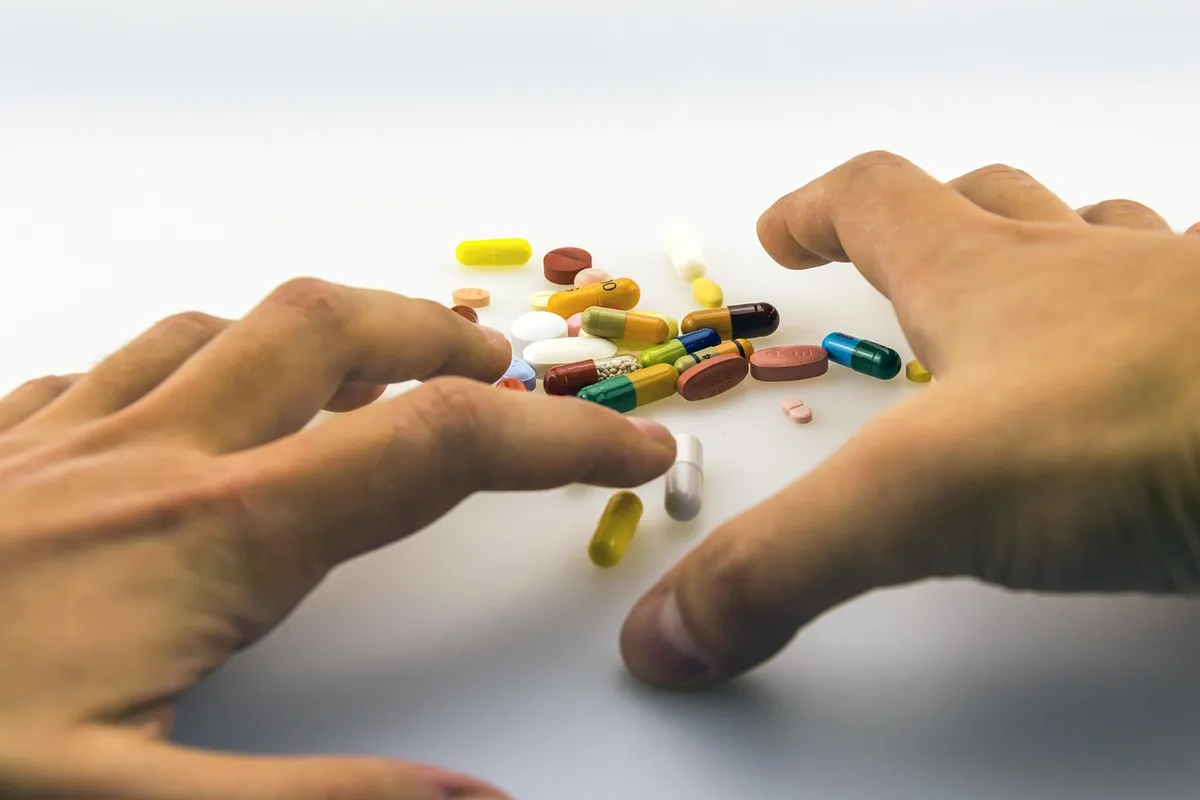
At midnight in the dimly lit bedroom, I watched her chest stop moving, a cold dread washing over me as I realized she was experiencing an opioid overdose.
A person collapses onto a living room rug, their breathing becoming shallow and infrequent. Recognizing the signs of opioid overdose is the first step in preventing a fatal outcome.
The primary indicator is a significant change in breathing patterns or a complete cessation of breath. Other common signs include pinpoint pupils, loss of consciousness, and skin that feels cold or appears bluish.
Because these symptoms can mimic other medical emergencies, identifying the specific pattern of respiratory depression is vital for an effective opioid overdose response.
According to the WHO, 70% of deaths due to drug use are related to opioids. This high percentage underscores why being able to identify an overdose quickly can save a life.
What do I need to do in an opioid emergency?
At midnight in the silent hallway, I gripped the cold wall while racing to help my friend during an opioid emergency. The scene shifts to a quiet hallway where a bystander finds a friend unresponsive and reaches for a medical kit. Following specific opioid emergency steps can bridge the gap between an accident and professional medical help.
First, check the person's responsiveness by shouting or using a sternal rub. Second, if they are not breathing normally, call emergency services immediately. Third, administer naloxone if available, as it can temporarily reverse the life-threatening effects of opioids.
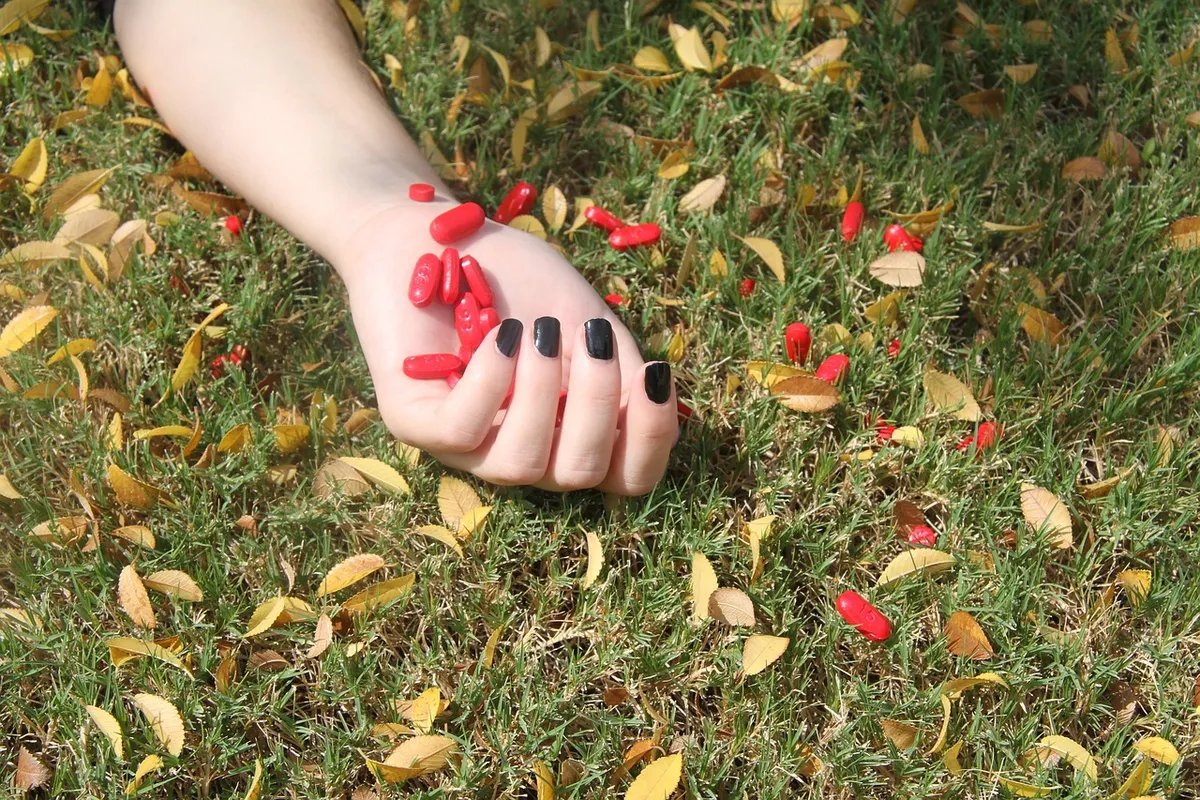
Effective overdose first aid guide principles suggest that while waiting for paramedics, you should place the individual in the recovery position to prevent choking. Maintaining an open airway is a priority during these critical moments.
How to treat overdose with naloxone?
A small nasal spray bottle is pulled from a pocket during a high-stress moment in a darkened apartment. Understanding how to treat overdose using naloxone is a fundamental skill for anyone living with or around opioid users.
Naloxone works by displacing opioids from the brain's receptors to restore breathing. The effects of naloxone last for approximately 30-90 minutes, at which point opioids present in the body may begin to take effect again depending on the specific opioids duration of action.
Because the reversal is temporary, medical observation is still necessary.
These doses are approved for both children and adults and may be repeated every 2–3 minutes if the initial dose does not restore breathing.
What are the risks of long-term use? A patient sits in a doctor's office, discussing their medication history and daily dosage requirements. Managing an opioid use disorder involves understanding how long-term prescriptions intersect with overdose risks.

The CDC Clinical Practice Guideline for Prescribing Opioids for Pain-United States, 2022, provides recommendations regarding opioid misuse and overdoses. For instance, daily morphine equivalents greater than 50 mg or concurrent benzodiazepine use are considered significant risk factors.
| Condition | Risk Factor Detail |
|---|---|
| Chronic Pain (Men) | >200 mg daily morphine equivalents |
| Chronic Pain (Women) | >200 mg daily morphine equivalents |
In those on long-term opioid treatment for chronic pain, daily morphine equivalents greater than 200 mg were associated with death from opioid-related causes in 3.8% of men and 2.2% of women. This highlights the importance of careful monitoring for those on high-dose regimens.
How to manage recovery and prevention?
A hand reaches out to steady a person walking through a community center during a support group meeting. Implementing an overdose prevention strategy requires looking beyond the immediate crisis toward long-term stability.
- Consult with healthcare providers about naloxone prescriptions for all high-risk individuals. 2. Seek evidence-based treatments, such as methadone or buprenorphine, which can reduce mortality risks. 3. Establish a clear emergency plan with family or roommates regarding when to call for help.
After a non-fatal opioid overdose, subsequent methadone or buprenorphine initiation and use reduce the risk of overdose death by 59% and 38%, respectively. I found that understanding these success rates helps in making informed decisions about long-term recovery paths.
One limitation is that while naloxone can reverse an overdose, it does not treat the underlying addiction or prevent the person from slipping back into an overdose once the medication wears off.
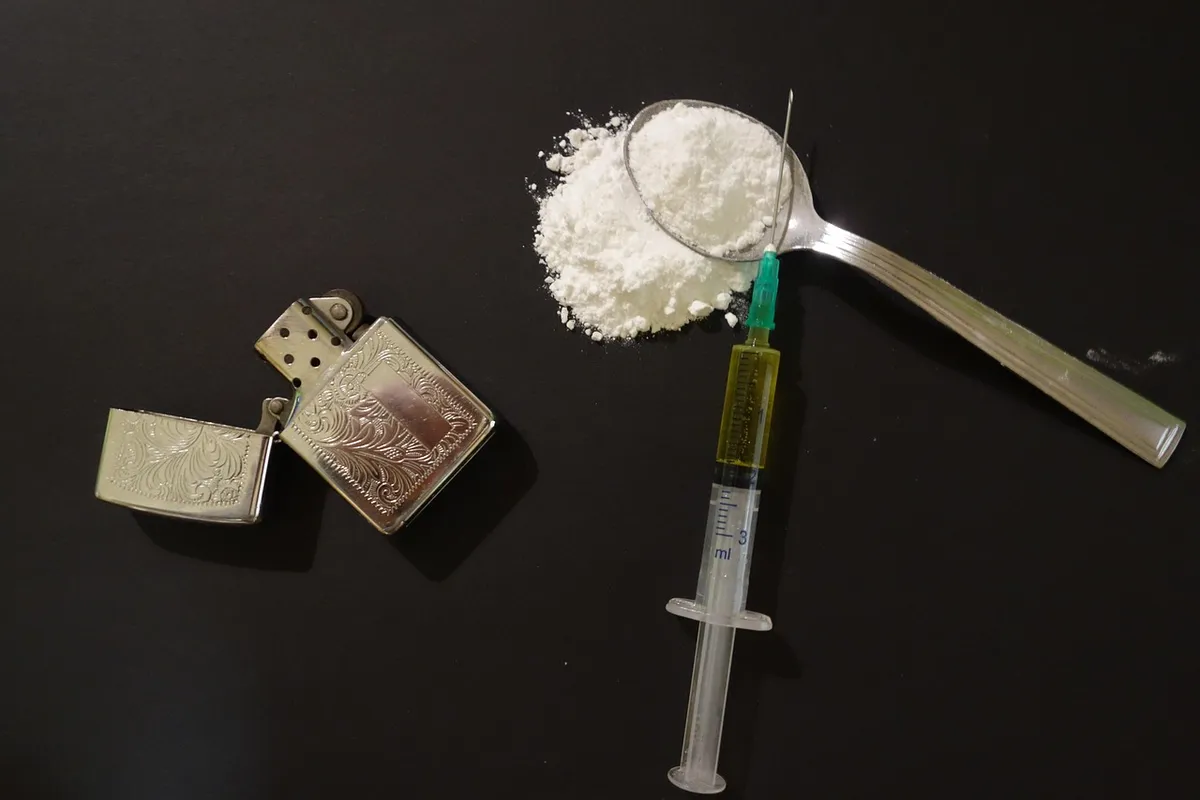
Wikipedia: Opioid epidemic (full) Based on the retained excerpt mentioning National Institute: It approved funding for a study with a $5 million grant from the National Institute on Drug Abuse to measure the impact of these sites on overdose prevention, health care costs, and community safety.
Wikipedia: Opioid overdose (full) Based on the retained excerpt mentioning World Health Organization: In 2016, the World Health Organization estimated that 34 million people used opioids and 19 million used opiates.
- How to recognize an opioid overdose response?
- What are the necessary opioid emergency steps?
- How to treat overdose with naloxone?
Related
- TMP/SMX combination cautions: Why monitor patient response
- Drug interaction risks: Guide to check drug compatibility
When is medical attention absolutely necessary?
Medical attention is necessary when the initial response to naloxone fails to restore normal breathing or consciousness. Even if the person appears stable after the administration of naloxone, professional medical evaluation remains crucial.
This is because the body may still contain active opioids that could cause recurrence of respiratory depression.
The WHO estimates that 70% of deaths due to drug use are in relation to opioids, emphasizing the gravity of any single overdose event. Therefore, any suspected overdose warrants professional medical follow-up to ensure complete safety.
What are the limitations of temporary reversal?
The reversal provided by naloxone is inherently temporary, which necessitates continued medical oversight. While the drug successfully displaces opioids from brain receptors, the original opioid compounds remain in the system.
This means the life-threatening effects can return once the naloxone wears off.
The FDA-approved higher dose formulations exist specifically to manage the effects of potent synthetic opioids. These higher doses are indicated for both adults and children and can be administered repeatedly if breathing does not return to normal.
This addresses the potential for high potency in modern illicit substances.
Disclaimer: This article is general information, not medical advice. Consult a qualified healthcare professional before taking any supplement or medication.



Comments 0