API tariff impact on generic prices: 40 percent world market
An analysis of the API tariff impact on generic prices reveals a complex relationship between raw material costs and consumer affordability. While trade policies can shift the cost of active ingredients, the existing market structure and bioequivalence requirements play a decisive role in how these costs reach the patient.
Key takeaways: * The massive scale of generic drug use in the US makes it highly sensitive to supply chain shifts. * Strict bioequivalence standards ensure quality but create rigid cost structures for manufacturers.

* Market dynamics, such as withdrawals due to low margins, can cause sudden price fluctuations.
How does the API tariff impact on generic prices affect the US market?
At dusk in the quiet office, I rub my tired eyes while staring at a spreadsheet detailing the rising cost of every imported tariff.
A researcher sits at a desk, looking at a spreadsheet of global trade data and pharmaceutical import costs.
Because such a high volume of prescriptions relies on generics, any change in the cost of active pharmaceutical ingredients (APIs) can ripple through the entire healthcare system. If tariffs increase the cost of imported raw materials, manufacturers may face squeezed profit margins.
This shift can lead to changes in how drugs are priced or even which products remain on the market.
The drug raw material tariff effect is often tied to global supply chains. For instance, China was estimated to account for 40% of the world market for active pharmaceutical ingredients in 2017.
When trade policies alter the cost of these essential components, the generic drug price API tax becomes a factor in domestic affordability.
I find that the second point in this sequence is the most significant.
What role does bioequivalence play in drug pricing?
A scientist in a laboratory carefully compares a generic sample to a branded reference against a standardized metric.
This requirement ensures that the generic performs similarly to the brand-name version, but it also dictates the level of investment needed for manufacturing. The generic drug price API tax might be influenced by the need to hit these specific bioequivalence targets.

If a manufacturer must source higher-quality or specific raw materials to meet these standards, costs may rise.
The generic drug price API tax is not always a direct pass-through to the consumer. However, the necessity of meeting strict regulatory benchmarks means that manufacturers cannot simply swap ingredients without proof of equivalence.
This stability in quality requirements acts as a baseline for all price negotiations and supply decisions.
How do market withdrawals affect the generic drug price API tax?
A warehouse manager observes empty shelves where a specific medication used to be stocked.
Such withdrawals show that quality and regulatory compliance are the primary drivers of market availability. When a product is pulled, the sudden lack of supply can lead to price volatility for remaining alternatives.
This is a critical part of the API import duty on generics, as supply chain disruptions often follow regulatory or trade-based shifts.
The pharmaceutical raw material tariffs can exacerbate these issues. If a manufacturer decides a product is no longer profitable due to rising ingredient costs, they may withdraw it. This creates a "bounce" effect where prices rise temporarily until new players re-enter the market.
What are the steps to ensure generic drug quality?
An inspector examines a batch of medication, checking for consistency and adherence to the approved formulation.
- Conduct bioequivalence testing to ensure the generic matches the brand-name's pharmacokinetic and pharmacodynamic properties. 2. Verify that the active ingredients meet the specific purity and bioavailability standards required for therapeutic equivalence. 3. Monitor the supply chain to ensure a consistent flow of raw materials that meet regulatory-approved specifications.
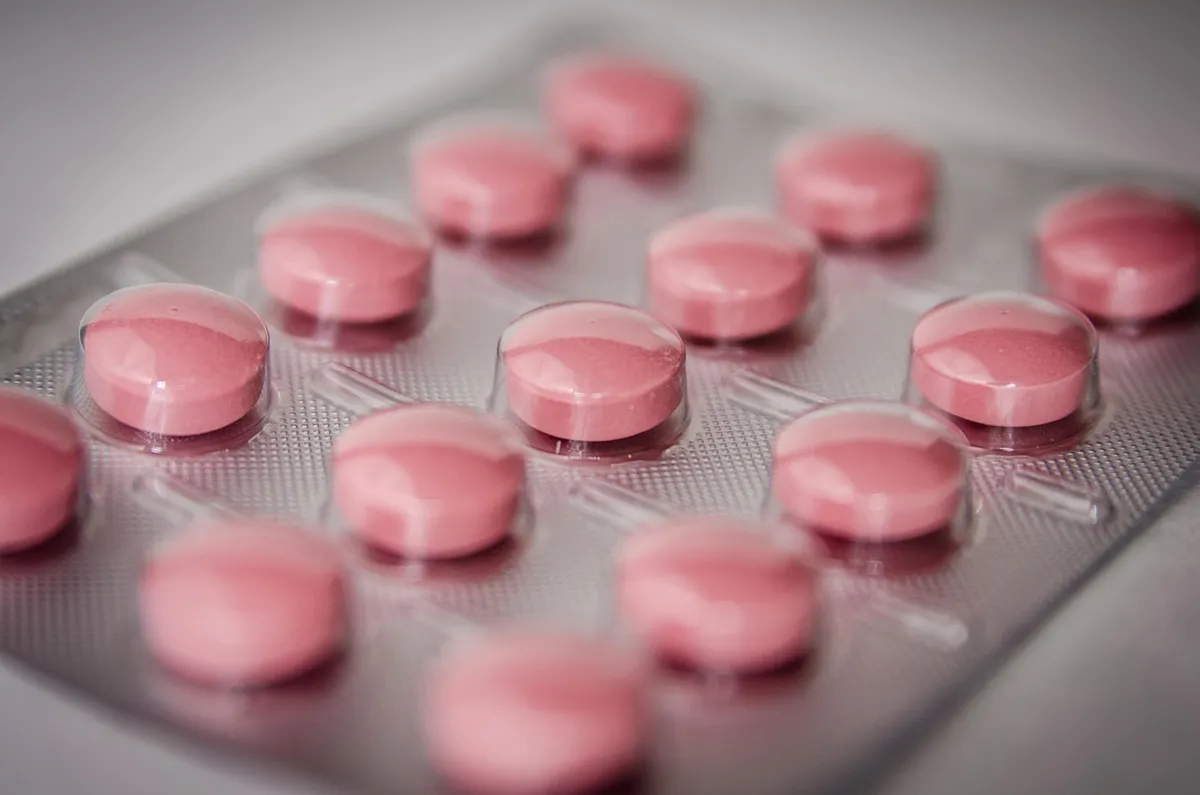
I once watched a regulatory audit where every single batch was checked against the original reference to ensure the absorption rates were within the required range.
A limitation of these processes is that they are highly dependent on the availability of specific, high-quality raw materials. If a tariff makes a specific ingredient prohibitable, a manufacturer might struggle to find a bioequivalent substitute that meets all regulatory requirements.
- Establish rigorous raw material testing protocols.
- Implement consistent manufacturing process controls.
- Conduct regular stability testing and batch inspections.
How do we compare market trends and price behaviors?
A financial analyst plots a line graph showing the steady decline of drug prices over several years. The relationship between brand-name pricing and generic pricing is often characterized by a sharp drop followed by a period of stabilization.
According to The Association of the British Pharmaceutical Industry, the maximum possible level for generic prescribing would be in the region of 90%, as a number of medicines have either no generic equivalent or are not appropriate for substitution.
| Feature | Brand-Name Pricing Trend | Generic Pricing Trend |
|---|---|---|
| Initial Phase | High entry price | Rapidly drops to a fraction of brand price |
| Long-term Trend | Maintains premium | Typically flattens at approximately 20% of original price |

The table shows how the market behaves after patent expiration. While the brand-name drug maintains its price, the generic version typically settles at a significantly lower level. This pricing gap is what provides the massive healthcare savings seen in the US market.
Wikipedia: Generic drug (full) Based on the retained excerpt mentioning FDA: Subsequently, Impax Laboratories's 300 mg extended-release tablets, marketed by Teva Pharmaceutical Industries, were withdrawn from the US market after the FDA determined in 2012 that they were not bioequivalent.
The subject here is API tariff impact on generic prices.
This part also covers US generic drug cost analysis.
This part also covers API tariff policy review.
This part also covers drug pricing and tariffs.
US generic drug cost analysis
Related
- Oxycodone combination history: Why drug combination is vital
- Repaglinide mechanism of action: Tips for better blood sugar
Disclaimer: This article is general information, not medical advice. Consult a qualified healthcare professional before taking any supplement or medication.







Comments 0