AMR Crisis: How Antibiotic Misuse Fuels Global Superbugs
"The very tool we pulled from the earth is now being blunted."
The silent evolution of superbugs is happening in our clinics and our pastures simultaneously. As we push the boundaries of medicine, the intersection of industrial livestock management and antibiotic overuse is fueling a global health crisis.
* Antibiotic resistance (AMR) is an escalating global threat driven by the misuse of drugs in both human medicine and industrial livestock production. * Historical shifts in antibiotic consumption patterns—specifically the move from "Access" to "Watch" drugs—correlate with higher resistance levels. * The rise of multidrug-resistant (MDR) clones, such as certain *Klebsiella pneumoniae* lineages, represents a critical risk to human health. * Addressing AMR requires a global shift in how we manage antimicrobial agents across all biological sectors.
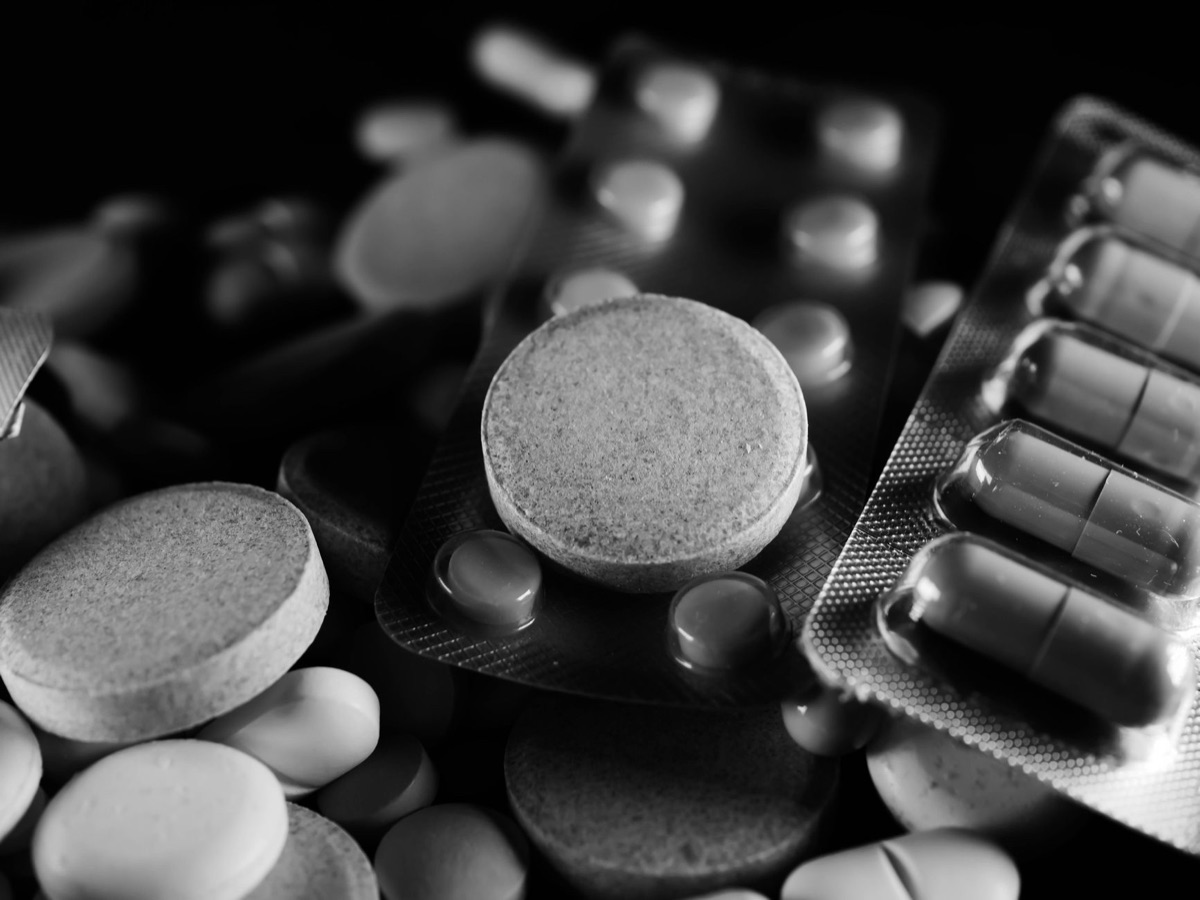
What is the current state of the global AMR threat?
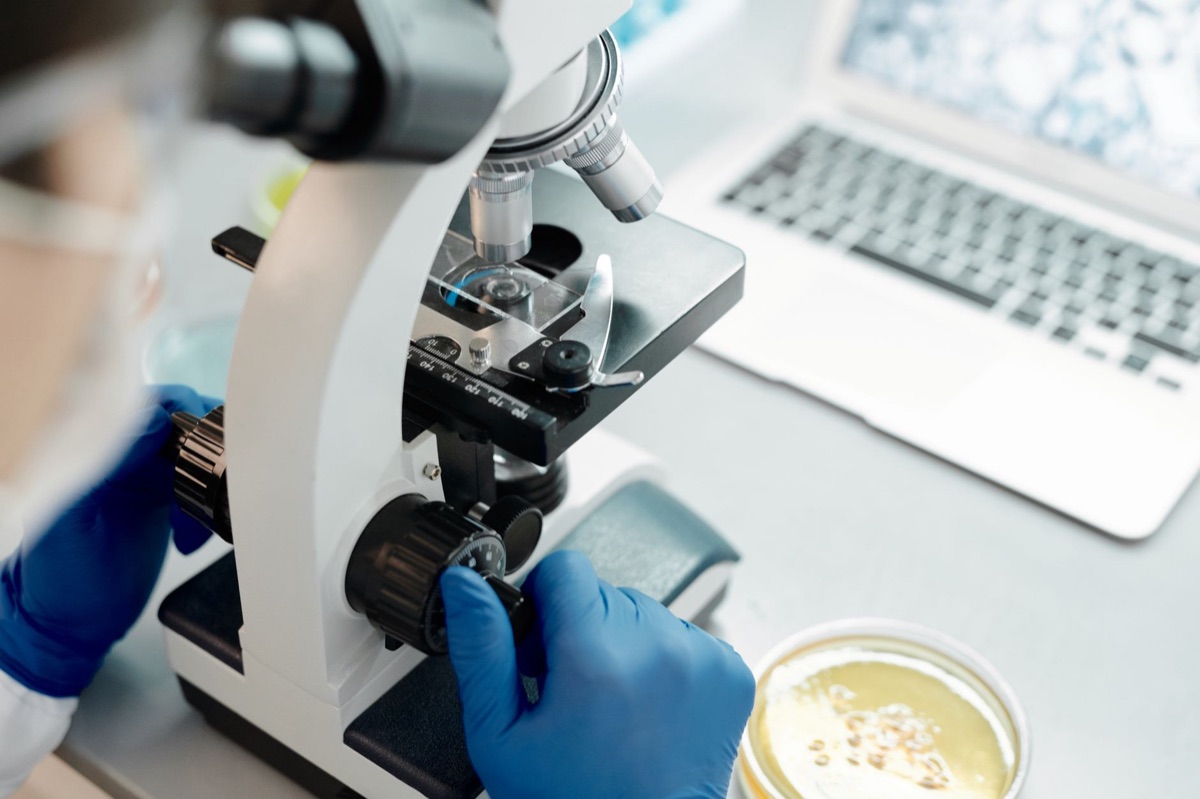
A scientist peers through a microscope at a petri dish in a quiet university lab at 10:00 AM, watching a colony of bacteria slowly expand. In the silence of the lab, the invisible war is being lost.
Antimicrobial Resistance (AMR) occurs when bacteria, viruses, fungi, and parasites change over time and no longer respond to the medicines designed to kill them.
This is not a sudden mutation but a result of selective pressure: when we use antibiotics, we kill the weak bacteria, leaving only the strongest, most resistant strains to multiply. This is the biological reality of "superbugs."
The way different nations manage their medicine supplies also dictates the level of danger they face. The balance between different classes of drugs—specifically the ratio of "Access" drugs to "Watch" drugs—changes the landscape of resistance.
According to the International journal of antimicrobial agents (2023), countries with lower consumption of "Access" drugs compared to "Watch" drugs from 2000 to 2015 demonstrated higher AMR levels.
This suggests that relying too heavily on powerful, broad-spectrum drugs instead of narrower, targeted ones creates a breeding ground for resistance.
The threat is not just theoretical; it is a measurable shift in the global health landscape. But the danger isn't just in the lab; it is also in the fields.
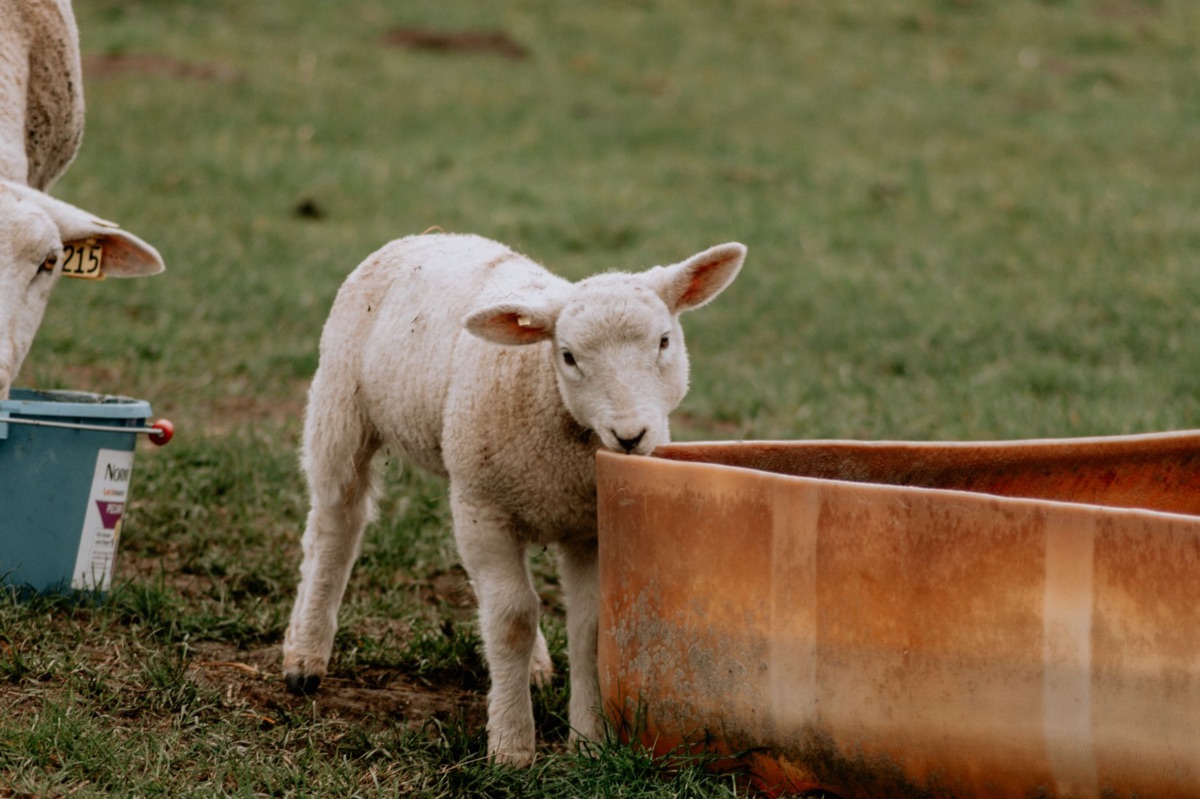
How does antibiotic use in livestock impact human health?
A farmer walks through a crowded feedlot at 5:30 AM, the air thick with the scent of grain and the hum of industrial fans. In the pursuit of efficiency, the line between animal husbandry and pharmacy becomes blurred.
The cycle of transmission is a closed loop. When antibiotics are used in mass-administered doses for breeding or growth promotion in livestock, the drugs enter the environment through waste and the food chain. This creates a massive reservoir of resistant bacteria.
The danger is that these resistant strains do not stay confined to the farm. Through contact with the environment, water supplies, or the food we eat, they jump to human populations. This transfer can introduce highly dangerous clones into the general public.
The complexity of these organisms is staggering.
According to the Proceedings of the National Academy of Sciences of the United States of America (2015), certain entities like *Klebsiella pneumoniae* (KpI) show the existence of >150 deeply branching lineages, including numerous multidrug-resistant or hypervirulent clones.
This means the bacteria we encounter in hospitals or through the food chain are becoming increasingly diverse and harder to track.
As these lineages branch out, the ability to contain an outbreak becomes a race against biological evolution. This evolution is happening right under our noses.
Why are certain bacteria becoming harder to treat?
A patient sits in a hospital room at midnight, waiting for a fever to break, while doctors look at a lab report with growing concern. The medicine that worked last year is suddenly ineffective.
The mechanism of resistance is clever. Bacteria can develop pumps to eject drugs, produce enzymes that degrade the medicine, or change their own structure so the antibiotic can no longer "lock" onto them. This makes traditional treatments obsolete.
We are also seeing a rise in resistance among organisms that were once considered manageable. For instance, in recent years, even anaerobic bacteria—those that live without oxygen and were historically considered less concerning—have demonstrated high rates of resistance.
This is particularly evident in species like *Bacteroides*, for which resistance rates to penicillin have been reported to exceed 90%. The danger lies in the combination of "multidrug-resistant" (MDR) and "hypervirulent" strains.
While MDR means the bacteria can survive many different drugs, hypervirulent means they are exceptionally good at causing severe disease. When a strain is both, the clinical outcome can be catastrophic.
The difficulty in treatment is not just about the strength of the infection, but the diminishing toolkit available to doctors. To understand the toolkit, we have to look at its origins.
What are the historical and biological roots of our antibiotic tools?
An explorer in the 1940s brushes aside damp soil in a forest, looking for the source of a life-saving miracle. The history of medicine is deeply rooted in the earth itself.
The origins of antibiotics are found in the natural world, specifically in soil-dwelling organisms like actinomycetes. These organisms produce natural compounds to fight off competitors in the dirt. This biological warfare provided the foundation for much of modern medicine.
In 1939, scientists discovered tyrothricin, a compound composed of 20% gramicidin and 80% tyrocidine. This was an early example of how complex natural molecules could be harnessed to fight infection.
Because 70-80% of our current antibiotics are derived from actinomycetes, the soil remains our greatest pharmacy. However, the very tool we pulled from the earth is now being blunted.
The depletion of these natural sources, combined with the rise of resistance due to overuse, changes the landscape of drug discovery. We are essentially using up the very blueprints that allow us to fight infection.
Understanding where these drugs came from helps us realize how much we stand to lose if we do not protect the biological sources of our medicine. This realization leads to the question of how we fight back.
How can we mitigate the risk of antibiotic resistance?
A policymaker sits at a desk at 2:00 PM, looking at a global map of infection rates. The decision to regulate a single drug class could save millions of lives.
Mitigation requires a structured approach to how we categorize and use medicines. The World Health Organization (WHO) uses the AWaRe classification to guide clinicians. To manage the crisis, we must follow these steps:
- Prioritize Access Drugs: Use narrow-spectrum antibiotics as the first line of defense to minimize selective pressure.
- Control Watch Drugs: Limit the use of higher-priority antibiotics to only the most critical cases.
- Protect Reserve Drugs: Keep "last resort" antibiotics strictly for life-threatening situations.
- Monitor Livestock Use: Implement oversight to prevent the use of human-critical antibiotics in animal growth promotion.
- Enhance Surveillance: Coordinate the tracking of resistant clones across international borders.
The goal is to maximize the use of "Access" drugs to prevent the selective pressure that drives resistance. This requires better oversight in both the pharmaceutical and agricultural sectors. If the "Watch" drugs are used too frequently in livestock, they become useless for human medicine.
| Feature | Access Drugs | Watch Drugs |
|---|---|---|
| Spectrum | Narrow-spectrum | Broad-spectrum |
| Primary Use | First-line treatment | Targeted/Specialized cases |
| Resistance Risk | Lower | Higher |
| Goal | Preserve efficacy | Minimize misuse |
The path forward is a delicate balance between utilizing our tools and preserving them for the next generation.








Comments 0