Drug ingredient comparison: Guide to dosage forms
"Understanding the chemistry behind a pill or a patch is the first step toward safe and effective health management."
A drug ingredient comparison requires looking at how specific components interact with the body and how different delivery methods affect results. This guide explores how active substances function, the variety of available dosage forms, and the historical context of drug pricing and regulation.
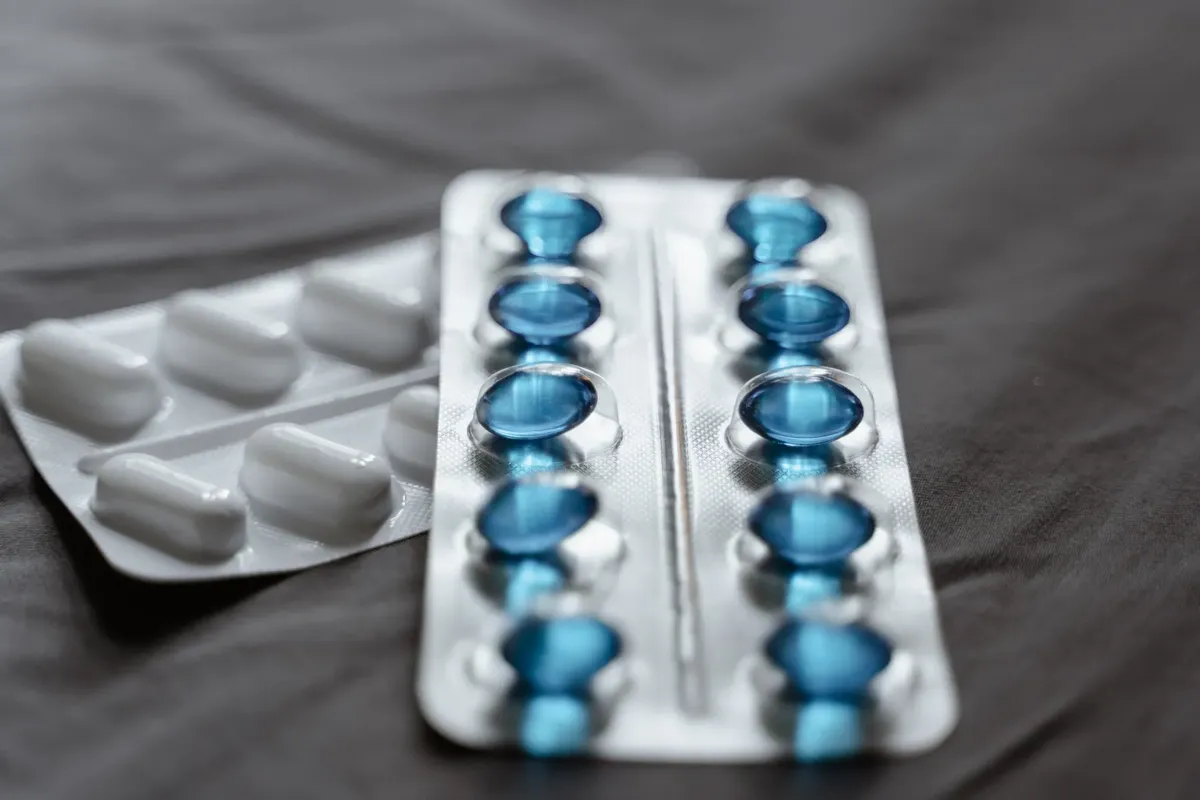
Key takeaways include understanding dosage variety, recognizing the impact of dose-dependent reactions, and noting the importance of regulatory oversight.
What are the common ways medications are delivered?
At the crowded pharmacy counter, the customer feels the smooth plastic of the bottle as they hold the new drug.
A pharmacist hands over a small plastic bottle containing colorful capsules to a patient waiting at the counter. According to the National Cancer Institute, dosage forms of medication can include tablets, capsules, liquids, creams, and patches.
These various forms allow for different absorption rates and convenience levels based on the patient's needs. Choosing the right delivery method is essential for maintaining the intended therapeutic effect.
How do different drug components affect biological processes?
A scientist observes a microscopic slide where cellular responses change as the concentration of a substance is adjusted.
In a study published in Food & function (2020), researchers found that certain substances significantly, in a dose-dependent manner, downregulated the release of ROS, TNF-α, IL-1β, and elastase-2 and slightly inhibited the secretion of IL-8 and metalloproteinase-9 in the cells.
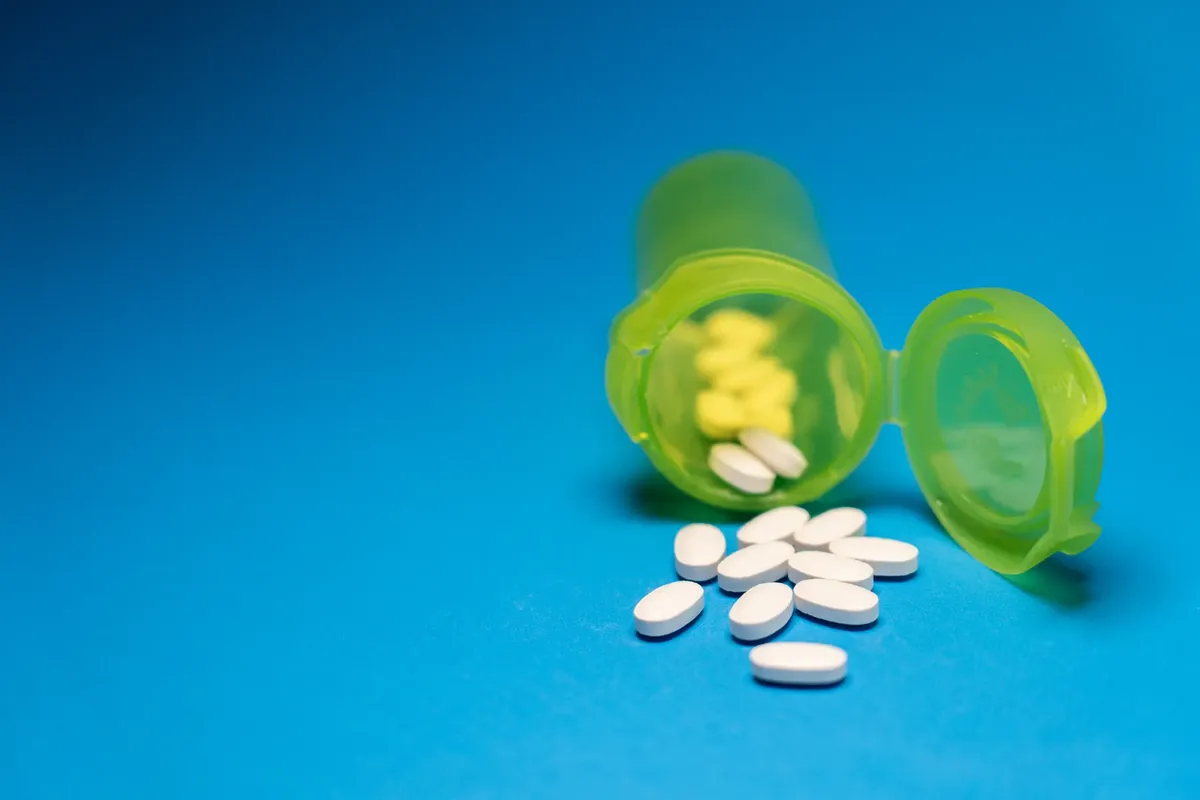
This drug ingredient comparison shows how changing a dose can directly impact cellular secretions. Such biological shifts are critical when evaluating how a medication might mitigate inflammatory responses.
How does protein expression change with different treatments?
A researcher carefully measures the levels of specific proteins in a laboratory setting to compare two different processing methods.
According to Current drug metabolism (2022), the two processed DEE (5.40 g/kg) improved UGT1A (P<0.01) and UGT2B (P<0.05) protein expression, and the non-sweated DEE (2.70 g/kg) upregulated UGT2B expression protein (P<0.05), compared with the CMCNa group.
This medication use guide highlights how different concentrations of a single ingredient can lead to distinct changes in protein expression. Such data is vital for understanding metabolic pathways.
Why do drug prices vary so much between generations?
A consumer compares the cost of a modern prescription with an older, more traditional medication at a local pharmacy.
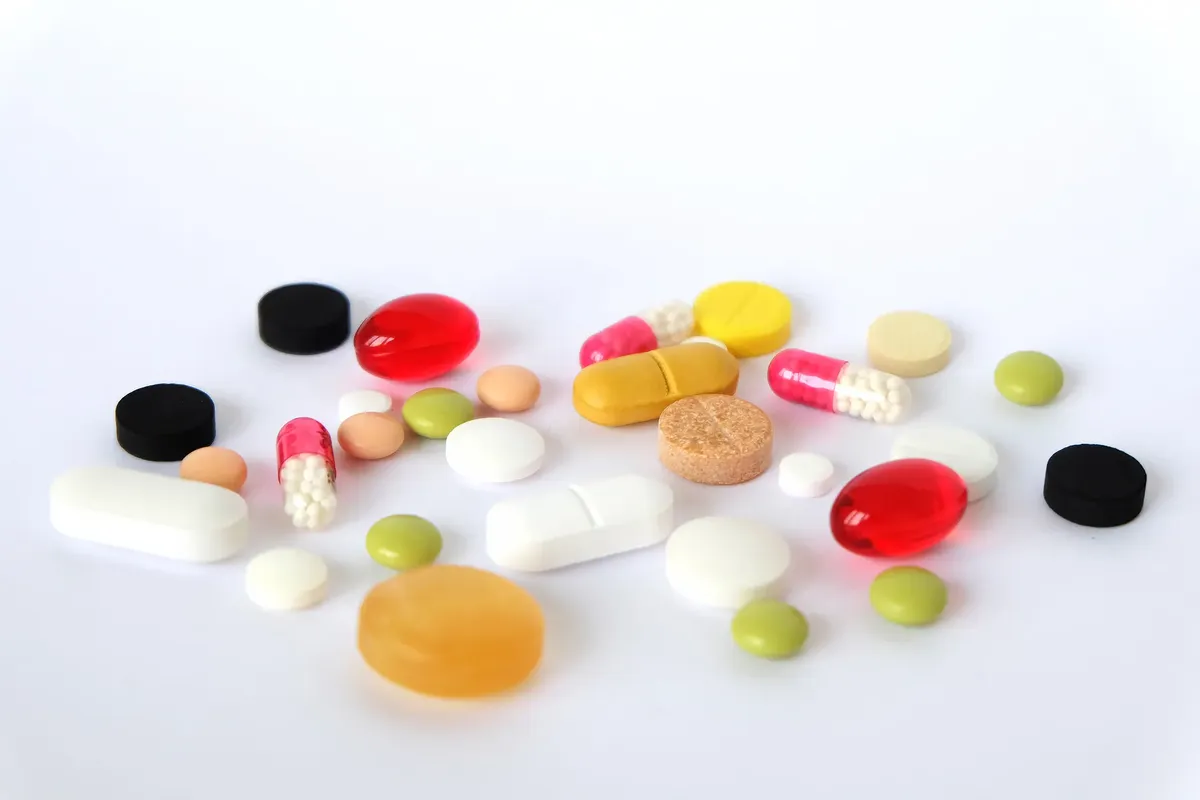
In 2005, when the price of risperidone consta, which was the first second-generation depot APD, were compared with the prices of the first-generation depot drugs (fluphenazine = 380 TRY, flupentixol = 876 TRY, zuclopentixol = 730 TRY), the cost difference was 6-14 times, according to the Turk psikiyatri dergisi (2022).
This active ingredient info demonstrates the economic gap between older and newer drug generations. Understanding these shifts helps patients navigate the financial realities of modern medicine.
How is drug safety and availability managed?
A regulatory officer reviews a thick stack of documents to ensure a new medicine meets all legal requirements before it reaches the public. The drug-related information provided here covers the complexity of biological responses, dosage variety, and historical pricing trends.
| Medication Type | Comparison Factor |
|---|---|
| First-generation depot | 380–876 TRY |
| Second-generation depot | 6-14 times cost difference |
I realized while reviewing these figures that the transition between drug generations often involves significant changes in both cost and technology. A drug component review must always account for these historical and regulatory shifts.
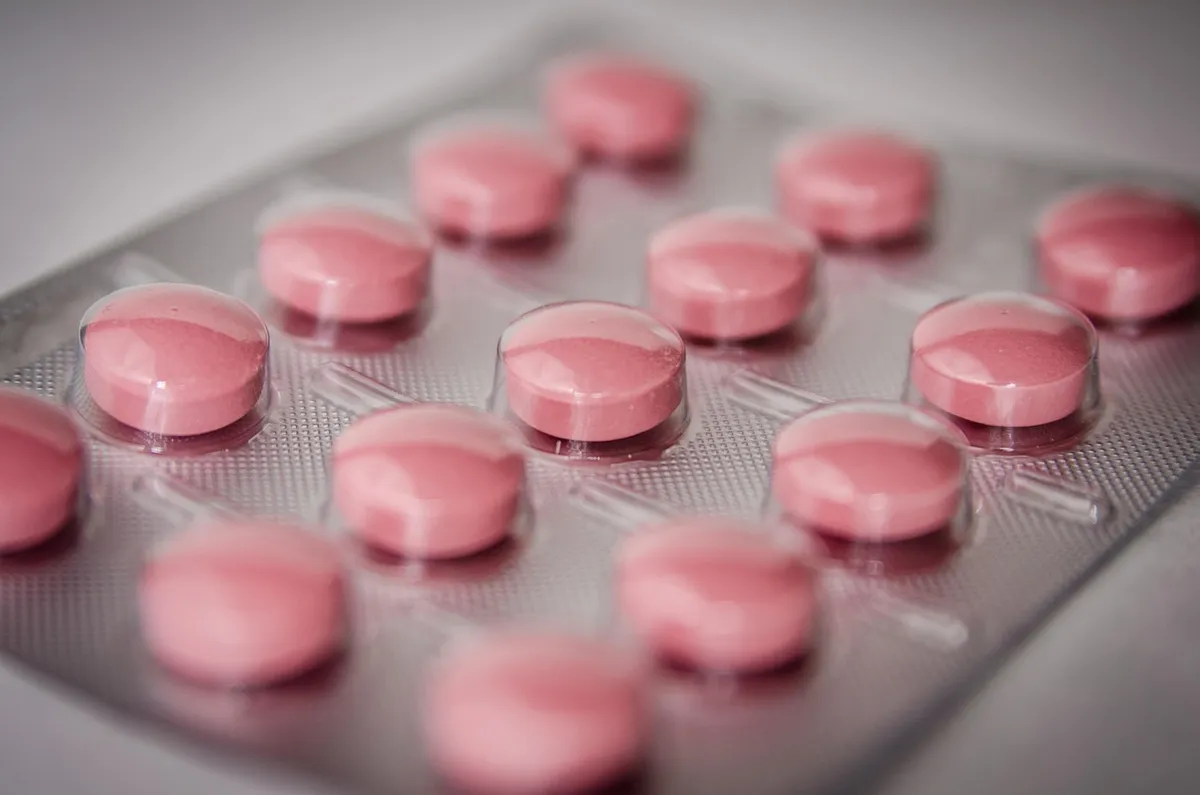
- What are the common ways medications are delivered?
- How do different drug components affect biological processes?
- How does protein expression change with different treatments?
Drug ingredient comparison
The same subject is also called Drug effect comparison.
This part also covers Side effect warnings.
This part also covers Dosage instruction guide.
This part also covers Read label carefully.
Side effect warnings
Related
- Drug ingredient misunderstanding: Guide for drug profile 200
- Ometaacrylic mica drug info: Tips for effective usage
How does the body process these chemical signals?
The body processes these chemical signals through various biological pathways influenced by the drug's structure. The cellular responses observed during the microscopic examination illustrate the body's reaction to the substance's presence.
Understanding the chemistry behind a pill or a patch involves tracking these interactions to predict outcomes.
- The body reacts to the substance's concentration. 2. Specific cellular components initiate downregulation of certain inflammatory markers. 3. The body modulates the secretion of various proteins based on the administered dose.
What determines the effectiveness of a treatment?
The effectiveness of a treatment hinges on the successful interaction between the drug component and the biological machinery of the body. The body's ability to react dictates whether the intended therapeutic effect is achieved.
The comparison between different doses shows that the biological effect is not absolute but rather concentration-dependent. This dependence is crucial for tailoring treatment regimens to individual patient responses.
Therefore, understanding the chemistry behind a pill or a patch requires appreciating this dose-response relationship.
Disclaimer: This article is general information, not medical advice. Consult a qualified healthcare professional before taking any supplement or medication.



Comments 0