How does insulin work for glucose regulation?: 15 minutes
"The management of blood sugar levels through medication requires a deep understanding of how different insulin types interact with the human body to maintain stability."
Understanding the metformin mechanism 2 type diabetes involves recognizing how various insulin formulations govern glucose levels. This guide explores how different insulin types function, their onset of action, and how they are used to manage glucose regulation.
Key takeaways include the distinction between rapid, short, and long-acting insulins, as well as the timing required for effective administration.
How does insulin work for glucose regulation?

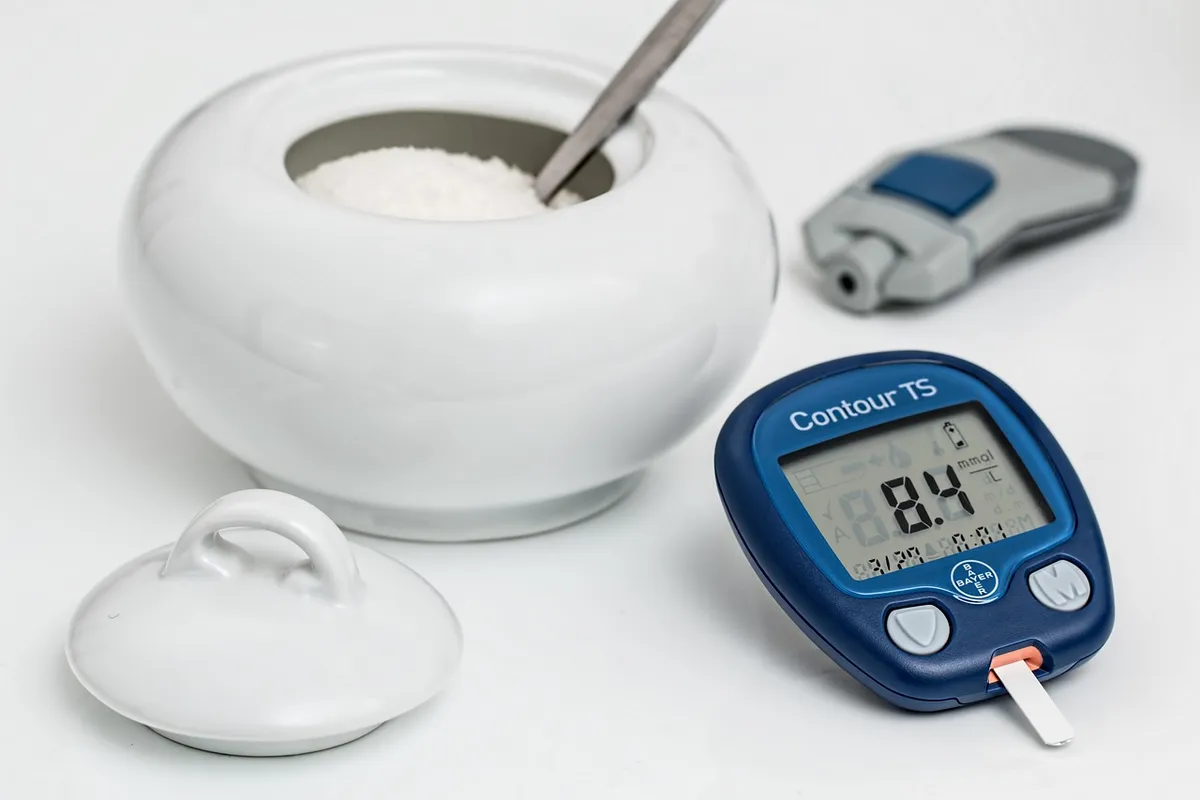
A person sits at a kitchen table, checking a glucose monitor after a meal to see how their body responds to food. Effective glucose regulation depends on the type of insulin used to manage blood sugar levels.
A survey conducted by the International Diabetes Federation indicates that approximately 70% of the insulin currently sold globally is recombinant, biosynthetic 'human' insulin.
Different formulations are designed to mimic the body's natural responses at different times of the day.
The timing of insulin action is critical for maintaining stable levels. According to the provided technical data, rapid-acting insulins begin to work within 5 to 15 minutes and remain active for 3 to 4 hours.
This quick onset makes them suitable for immediate needs, though managing the window of activity requires careful planning to avoid sudden shifts in blood sugar.
What are the differences in insulin action? Metformin mechanism 2 type diabetes
A healthcare provider explains the various options to a patient, showing how different onset times fit into a daily routine. Understanding the metformin action type 2 diabetes often involves navigating these different timing profiles.
According to a survey conducted by the International Diabetes Federation in 2002 on the access to and availability of insulin in its member countries, approximately 70% of the insulin that is currently sold in the world is recombinant, biosynthetic 'human' insulin.
The speed at which insulin enters the bloodstream varies significantly between formulations.
Short-acting insulin, such as regular insulin, begins working within 30 minutes and stays active for about 5 to 8 hours. In contrast, intermediate-acting insulin, like NPH, begins working in 1 to 3 hours and remains active for 16 to 24 hours.
These differences allow for more tailored diabetes management depending on the individual's specific needs.
| Insulin Type | Onset of Action | Duration of Activity |
|---|---|---|
| Rapid-acting | 5–15 minutes | 3–4 hours |
| Short-acting | 30 minutes | 5–8 hours |
I observed how these different timing windows change how a person plans their meals and activities throughout the day.
How is long-acting insulin used?
A patient prepares their evening dose, looking at a clock to time the administration correctly. For many, managing insulin sensitivity requires a steady baseline of insulin to prevent spikes or dips.
Long-acting insulins are designed to provide a more consistent level of coverage over a longer period.
Long-acting insulin, such as insulin glargine or detemir, begins working within 1 to 2 hours and can remain active for about 24 hours. Ultra-long acting options, like insulin glargine U300 or degludec, begin working within 30 to 90 minutes and stay active for more than 24 hours.
While these provide extended coverage, the actual duration can vary among individuals.
What are the steps for administering prandial insulin?
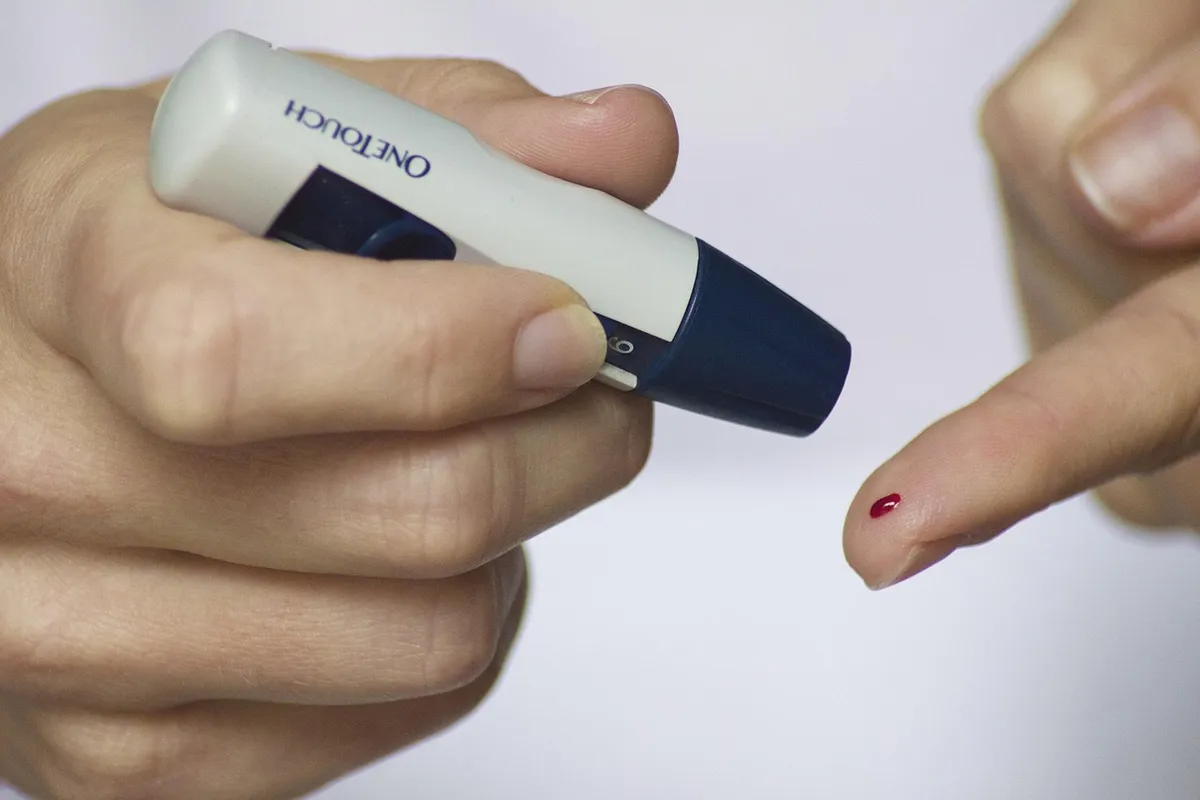
A person prepares a meal, carefully timing their medication to coincide with their eating schedule. Using how metformin works diabetes as a reference for metabolic management, patients must master the timing of prandial insulin to prevent hyperglycemia.
Proper administration follows a specific sequence to ensure effectiveness.
- Determine the required dose based on the meal size and current blood sugar levels. 2. Administer the insulin within the appropriate window, typically no more than 15–30 minutes prior to a meal for rapid or regular insulin. 3. Monitor blood glucose levels throughout the period of peak activity to ensure safety.
A final check involves verifying that the insulin type matches the timing of the intended meal.
- Prepare the injection site.
- Administer the insulin dose.
- Dispose of the needle safely.
- In this sequence, the second step is the longest.
Can combination products be used?
A person holds a vial of mixed insulin, considering the convenience of a single injection. Some patients use combination products to simplify their regimen. These products blend different types of insulin to provide both immediate and extended coverage.
Combination products begin to work with the shorter-acting insulin, which can take 5–15 minutes for fast-acting or 30 minutes for short-acting types. These mixtures remain active for 16–24 hours. This dual-action approach helps cover both immediate post-meal spikes and longer-term basal needs.
What are the limitations of insulin therapy?
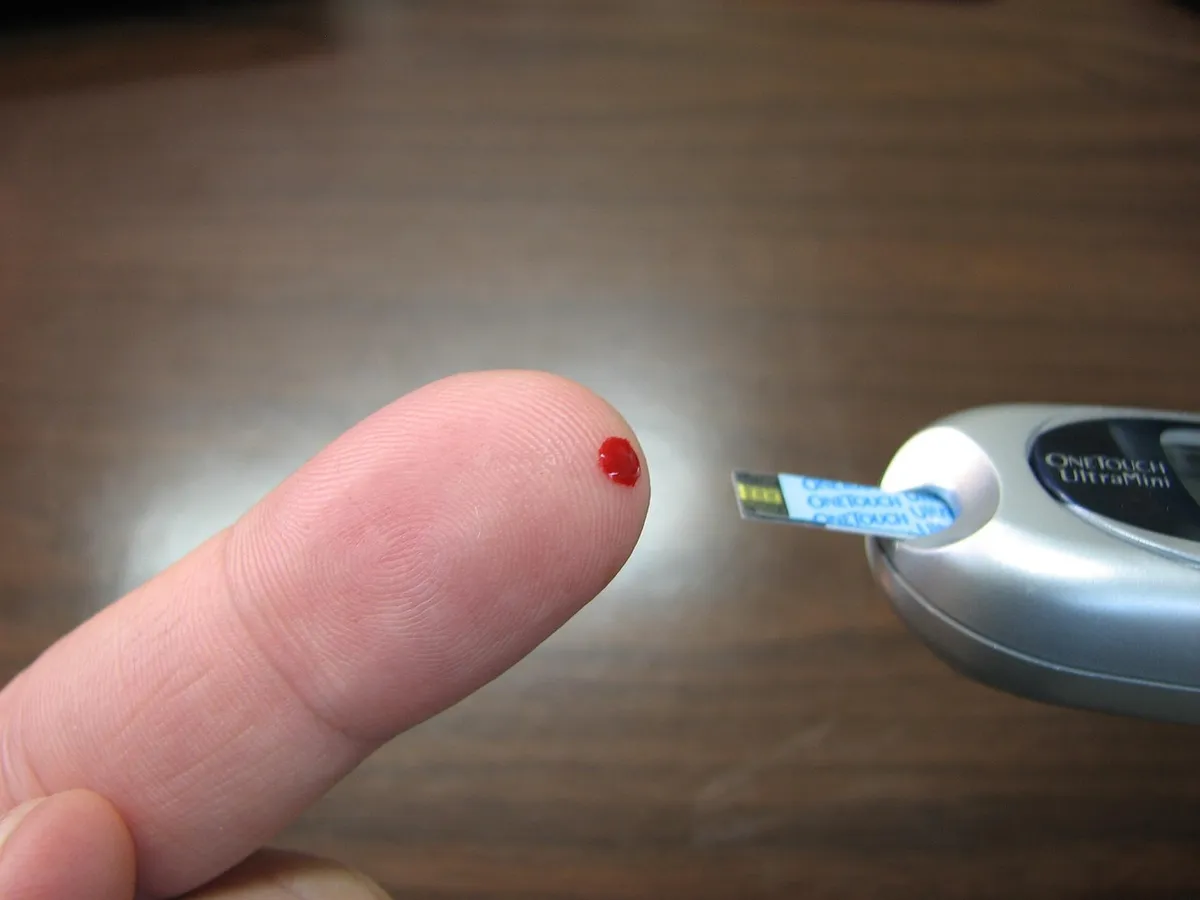
A researcher looks over data regarding medication efficacy and patient adherence. While insulin is a vital tool, it is not a one-size-fits-all solution. Limitations often arise from the biological variability of the human body and the specific constraints of medication profiles.
One limitation is that while some long-acting insulins are intended to last a full day, in practice, many people find that they do not last a full 24 hours. This reality requires patients to adjust their schedules frequently.
Additionally, the effectiveness of any treatment can be influenced by the specific physiological response of the individual.
The subject here is Metformin mechanism 2 type diabetes.
The same subject is also called Metformin glucose regulation.
The same subject is also called Treating type 2 diabetes.
Related
- Drug ingredient structure: Guide to body interactions
- Can molecular docking reveal truth in medicine taking myths?
How does timing affect blood management?
The timing of administration is crucial because different insulin types possess distinct pharmacokinetic profiles.
Rapid-acting insulin initiates its effect quickly, making it ideal for immediate post-meal coverage, whereas long-acting insulin provides a sustained background level necessary for basal metabolic control.
This careful synchronization between food intake and medication onset is vital for successful blood management.
What are the considerations for blood management?
The successful management of blood sugar levels hinges on matching the insulin profile to the physiological needs of the individual. This synchronization between the medication and the body’s metabolic state is what dictates the success of the treatment regimen.
Careful consideration of the activity duration is necessary to prevent unwanted fluctuations in blood sugar.
For effective blood management, the onset time of the administered insulin must align with the expected absorption of glucose into the bloodstream. This alignment is particularly important when dealing with meals, as the body’s response to food intake is not instantaneous.
Understanding the kinetics of the medication allows a patient to anticipate when the effects of the insulin will reach their peak or begin to wane. This predictive knowledge is essential for proactive adjustments to the dosing schedule.
Disclaimer: This article is general information, not medical advice. Consult a qualified healthcare professional before taking any supplement or medication.




Comments 0