Metformin: First-Line Defense for Type 2 Diabetes Management
"The right balance of glucose is not just about sugar levels; it is about how your cells communicate with energy."
Metformin is the gold-standard first-line defense for Type 2 Diabetes, working primarily to suppress the liver's production of glucose and increase insulin sensitivity. It is a biguanide-class medication that targets the very core of metabolic dysfunction.
* Metformin primarily works by reducing hepatic glucose production (the sugar your liver makes) and improving how your body uses insulin. * Its mechanism involves complex cellular energy sensors, specifically modulating pathways like AMPK to regulate metabolism. * Safety and effectiveness depend heavily on starting with low doses and monitoring kidney function regularly.

What is Metsformin and How Does It Work in Type 2 Diabetes?
A patient sits in a bright clinic, looking at a lab report that shows elevated fasting glucose levels. The doctor hands them a small white pill and explains that this is the first step in managing their metabolic health.
According to the International journal for vitamin and nutrition research, the administration of propolis and metformin compared to placebo was shown to reduce FPG and A1C levels in 2023.
Metformin is a biguanide derivative that acts as a metabolic regulator rather than a simple insulin secretagogue. Its primary job is to target hepatic gluconeogenesis—the process where the liver produces glucose to fuel the body.
In many people with Type 2 Diabetes, the liver produces excess sugar even when blood glucose levels are already high. Metformin helps turn down that internal tap.
On a molecular level, the drug works through cellular energy sensors. It is widely understood to influence the activation of AMP-activated protein kinase (AMPK), which acts like a fuel gauge for the cell.
When the body senses energy needs, these pathways help regulate how much glucose is released and how much is taken up by muscles. Beyond just lowering sugar, the drug helps manage the overall metabolic environment.
In clinical observations, the administration of metformin compared to a placebo has been shown to reduce fasting plasma glucose (FPG) and A1C levels.
Furthermore, research indicates that metformin can decrease 2-hour plasma glucose, the area under the curve (AUC) for glucose and insulin, and increase insulin sensitivity (International journal for vitamin and nutrition research, 2023).
But how does the body actually move this medicine through its systems?
How Does the Body Handle Metformin?
A person swallows their morning dose with a glass of water, knowing the medication will circulate through their system to manage their levels throughout the day.
As reported in Molecular biology reports, metformin significantly inhibits p65 nuclear translocation, though this effect is abolished by the AMPK inhibitor compound C.
Understanding how the body processes this medication is key to understanding why it is dosed the way it is. When taken orally, metformin has a specific absorption profile that varies depending on whether the pill is an immediate-release or an extended-release formulation.
In the immediate-release version, the drug reaches peak plasma concentration relatively quickly, whereas extended-release versions provide a more gradual release to smooth out glucose fluctuations.
Once in the bloodstream, the drug behaves predictably. It has negligible plasma protein binding, meaning it doesn't "stick" to proteins in the blood, making it readily available to reach the tissues that need it.
The primary route of clearance is through the kidneys via tubular secretion in the urine. Because the body clears it through the renal system, the balance of kidney function is the most important factor in how long the drug remains active in the system.
The elimination half-life is generally consistent, but certain tissues may show an extended presence of the drug as it works on cellular energy stores.
However, the physical experience of taking it can sometimes be quite different from the science.
Safety Profile and Administration Nuances
A patient feels a slight churning in their stomach after their first dose and reaches for a snack to settle their digestion.
The most common hurdle with starting metformin is gastrointestinal discomfort. To mitigate this, medical professionals often recommend starting with a low dose and titrating upward slowly. For many, the discomfort can often be avoided by beginning at a low dose of 1.0 to 1.7 g/day.
As the body adjusts to the medication, the dosage is gradually increased to the therapeutic target.
However, the most critical safety consideration is renal function. Because the kidneys are responsible for clearing the drug, doctors must monitor the estimated glomerular filtration rate (eGFR).
In cases of severe chronic kidney disease (CKD), the drug may need to be discontinued or adjusted to prevent accumulation. There are also specific nuances for different populations; for instance, clinicians monitor how the drug might interact with other hormonal profiles in women.
Because the drug's distribution volume and chemical properties (pKa) influence how it moves through fluids, maintaining healthy kidney function is the primary requirement for safe, long-term use.
But the science suggests there might be benefits that go far beyond just sugar.
Beyond Glucose: Emerging Roles of Metformin
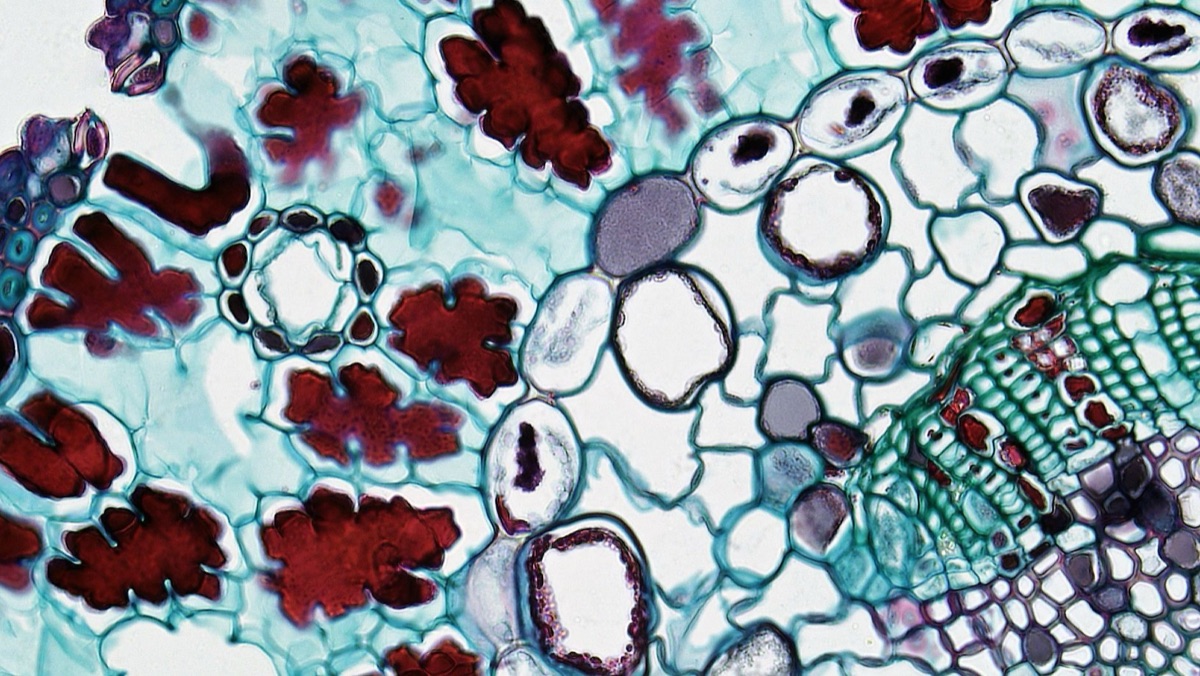
A researcher looks through a microscope at cellular signaling, observing how a single molecule can influence inflammation and cell survival.
According to Molecular biology reports in 2023, metformin significantly inhibits p65 nuclear translocation, though this effect is abolished by the AMPK inhibitor compound C.
According to Annals of hepatology, there were no significant differences in the OS and PFS rates between the metformin and non-metformin groups following non-curative HCC treatment in 2020.
While the primary goal is blood sugar control, researchers are increasingly interested in the secondary effects of metformin on inflammation and cell signaling. One of the most fascinating areas of study is how the drug interacts with the NF-κB pathway, a major regulator of inflammation.
In molecular studies, it has been observed that metformin significantly inhibits p65 nuclear translocation (a key part of the inflammatory response), though this effect is closely tied to the activation of the AMPK pathway (Molecular biology reports, 2023).
This suggests that metformin does more than just move sugar around; it may help dampen the systemic inflammation often associated with metabolic syndrome.
In addition to glucose-lowing, studies have shown its ability to influence lipid profiles, such as increasing high-density lipoprotein (HDL) cholesterol (International journal for vitamin and nutrition research, 2023).
In certain advanced clinical contexts, such as studies involving patients with hepatocellular carcinoma (HCC), researchers have looked at how metformin compares to other treatments regarding overall survival and progression-free survival.
In those specific cohorts, no significant differences in OS or PFS rates were reported between metformin and non-metformin groups (Annals of hepatology, 2020). This highlights that while metformin is a powerhouse for glucose, its role in complex diseases is still being mapped by science.
| Feature | Primary Function | Key Safety Concern |
|---|---|---|
| Hepatic Action | Suppresses glucose production in the liver | Monitoring for lactic acidosis in rare cases |
| Insulin Sensitivity | Improves how cells respond to insulin | Managing gastrointestinal side effects |
| Renal Clearance | Primary route of drug elimination | Monitoring eGFR/Kidney function |
Summary of Administration Steps
- Initial Consultation: Discuss history of kidney function and current glucose levels with a physician.
- Low-Dose Initiation: Start with a low dose (e.g., 1.0 to 1.7 g/day) to minimize stomach upset.
- Gradual Titration: Increase the dose slowly over weeks as directed to reach the target therapeutic level.
- Regular Monitoring: Schedule regular blood work to check Ac levels and kidney function (eGFR).
- Consistency: Take the medication as prescribed, often with meals to improve tolerability.







Comments 0