Drug labels: how to read drug labels for patient safety
"The difference between a therapeutic success and a medical error often lies in the fine print of a prescription or a container."
Understanding how to read drug labels is a fundamental skill for ensuring patient safety and therapeutic efficacy. This guide helps you interpret technical information, recognize the implications of off-label use, and navigate complex regulatory terminology.
You will learn to identify key usage instructions, understand how clinical indications work, and recognize the limitations of current medical approvals.
Why is understanding drug labels important?
At midnight in the quiet kitchen, I squinted at the small print on the bottle to ensure the drug was safe to swallow.

A survey of 200 cancer physicians by the American Enterprise Institute and the American Cancer Society found that 60% of them prescribed drugs off-label.
A person stands in a brightly lit pharmacy, squinting at the small text on a white plastic bottle. Learning how to read drug labels ensures that every dose taken aligns with the intended medical purpose and safety guidelines.
The primary goal of reading medicine info is to confirm that the medication matches the prescribed condition and dosage. Because clinical practice often involves using drugs for purposes other than their original approval, being able to decipher drug labels becomes a necessity for informed patients.
A 1997 survey of 200 cancer physicians by the American Enterprise Institute and the American Cancer Society found that 60% of them prescribed drugs off-label. This high percentage illustrates that much of what is prescribed may not match the initial FDA-approved indication.
Understanding the nuances of these labels helps prevent errors in administration. If a label mentions an indication that seems different from your diagnosis, it may be an example of off-label use.
How do clinical indications work on a label? how to read drug labels

A doctor reviews a patient's chart and compares it to the approved uses listed in a drug's documentation. Identifying the specific indications helps patients understand why a particular substance was chosen for their unique health needs.
The FDA approves drugs for specific uses, known as indications. However, clinical reality often requires flexibility.
For example, by 2010, during almost five decades of activity, the Food and Drug Administration (FDA) had approved only two drugs for obstetrical indications, namely oxytocin and dinoprostone.
When a drug is used for a purpose not listed on its original label, it is referred to as off-label use. While this is common in specialized fields, patients must understand that the label may not reflect every way a doctor intends to use the drug.
The American Academy of Pediatrics released a statement regarding off-label use of pharmaceuticals in children in 2014. This highlights how certain populations often rely on treatments that have not undergone the specific approval process for their age group.
How can I identify drug side effects?
A patient sits on a sofa, reading the warning section of a pamphlet while feeling a slight headache. Identifying drug side effects through careful reading allows for better monitoring of how a body reacts to a new substance.
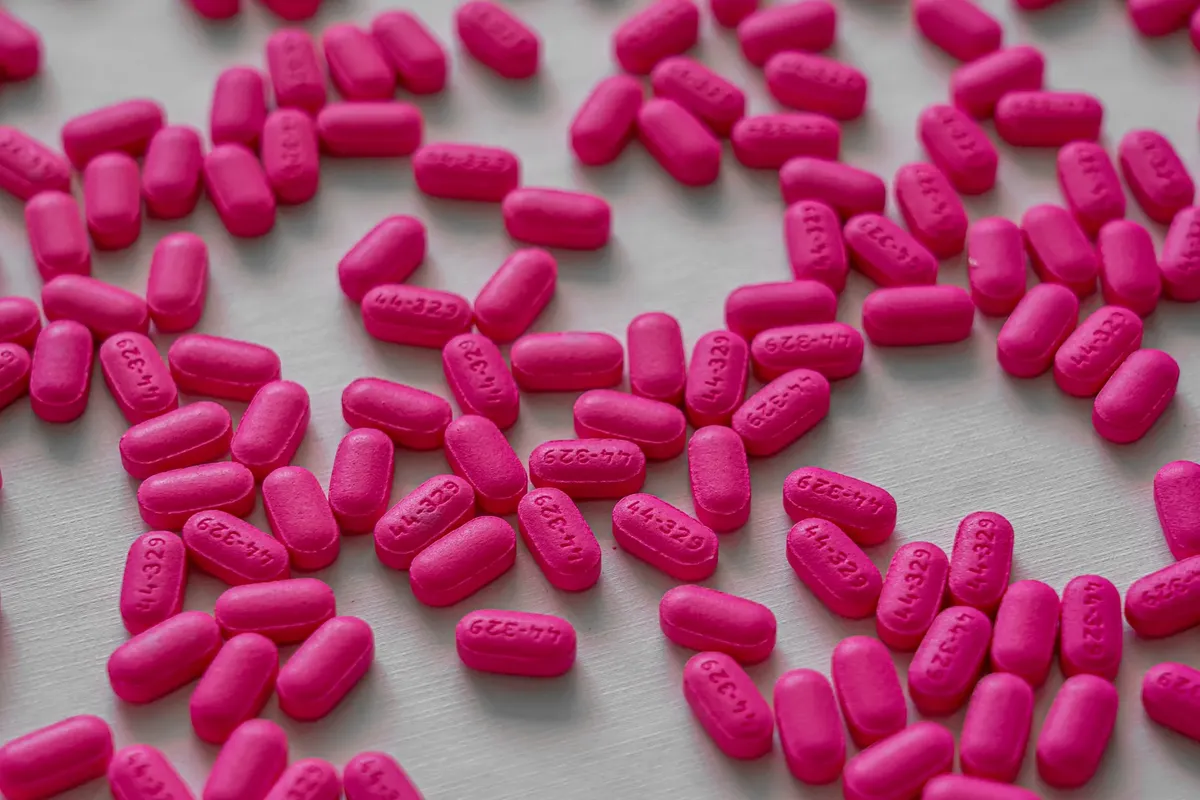
According to a 1997 survey of 200 cancer physicians by the American Enterprise Institute and the American Cancer Society, 60% of them prescribed drugs off-label.
Labels often contain sections regarding warnings and precautions. These sections are vital for recognizing when a reaction might be an expected side effect or a sign that the medication should be discontinued.
| Drug Type | Example | Context |
|---|---|---|
| Fish Oil | E-EPA (Vascepa) | Second approved fish oil drug |
| Fish Oil | Lovaza | Approved in 2004 |
Because E-EPA was the second fish oil drug to be approved, after omega-3-acid ethyl esters (GlaxoSmithKline's Lovaza which was approved in 2004), its labeling and marketing were subject to specific regulatory scrutiny.
The information provided on the label serves as a baseline for safety. If a side effect is listed, it may be a common occurrence, but it is always important to report new or worsening symptoms to a healthcare provider.
What are the rules for off-label marketing?
A manufacturer representative hands a medical journal to a physician during a brief meeting. Understanding the legal context behind drug information helps clarify why certain publications are provided to doctors.
According to the American Academy of Pediatrics, the organization released a statement regarding off-label use of pharmaceuticals in children in 2014.
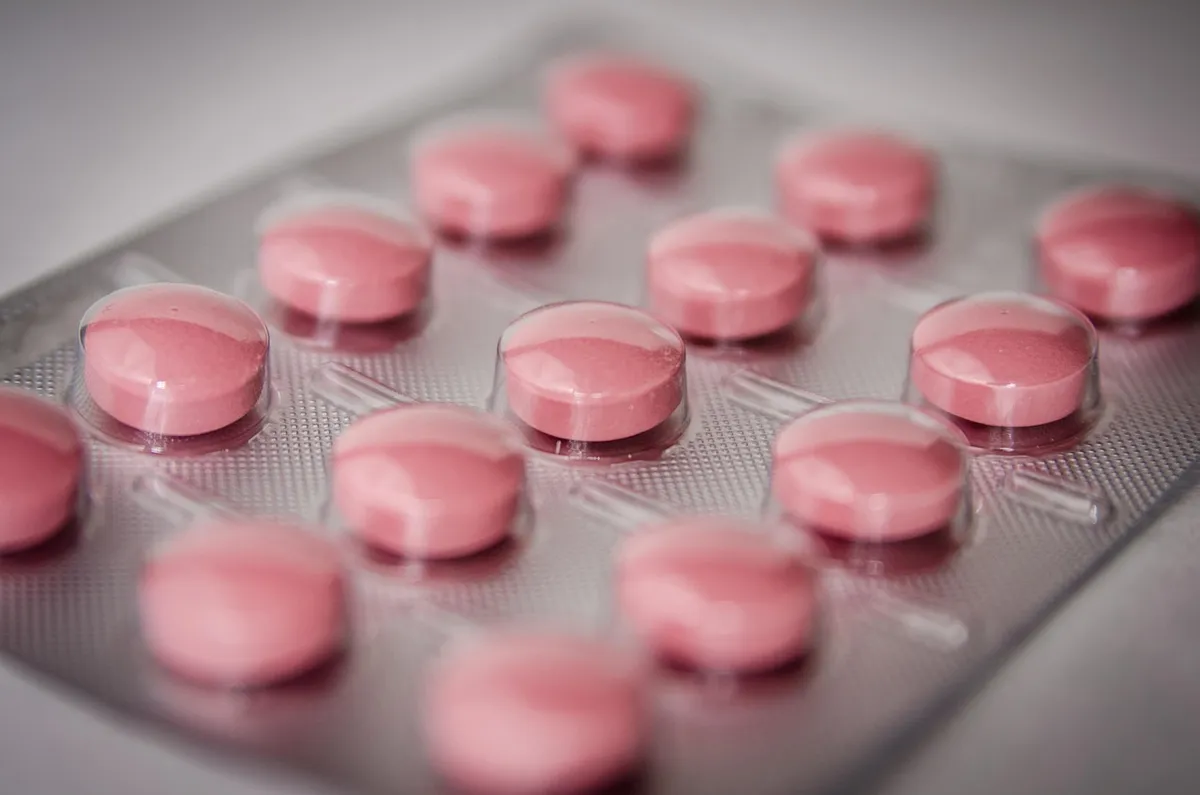
The Food and Drug Administration Modernization Act of 1997 created an exception to the prohibition of off-label marketing, allowing manufacturers to provide medical practitioners with publications on off-label uses of a drug, in response to an unsolicited request.
This means doctors may receive technical data that isn't directly on the primary label.
Litigation around the marketing of ethyl eicosapentaenoic acid (E-EPA, branded as "Vascepa") by Amarin Corporation led to a 2015 court decision that has changed the FDA's approach to off-label marketing. This legal shift demonstrates how the way information is shared can change over time.
Patients should be aware that the information a doctor receives might be more expansive than what is printed on the bottle. Always ask your provider how the specific use of a drug applies to your health.
How do I follow a medication schedule?
A person sets a timer on their phone to match the instructions on a pill bottle. Following a specific regimen is the most direct way to apply the information found on a label.
To ensure safety and effectiveness, follow these steps:
- Verify the name and strength of the medication to ensure it matches your prescription. 2. Check the frequency and timing, such as "once daily" or "with food," to understand the administration protocol. 3. Confirm the total quantity and duration of the treatment to avoid running out of medication prematurely.
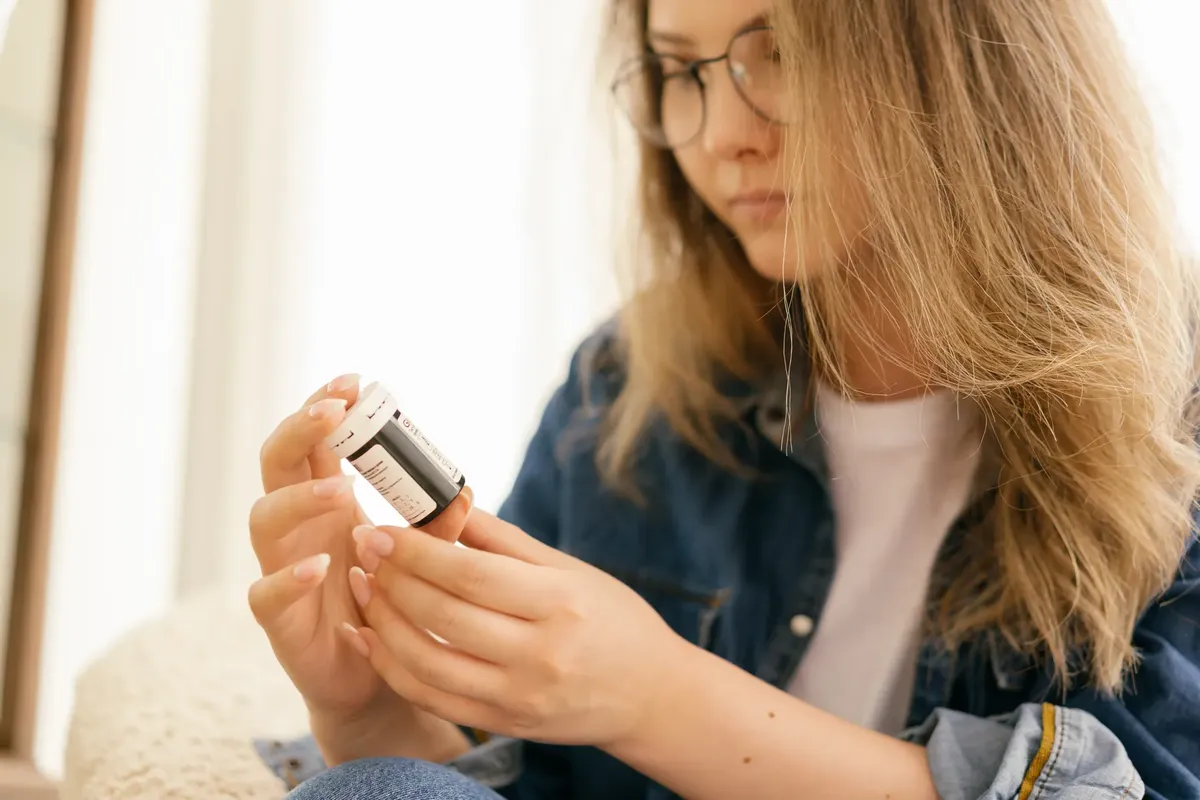
Always double-check the label every time you prepare a dose. If the instructions seem unclear or if the dosage seems different from what you were told, contact a pharmacist immediately.
A final check involves comparing the label to your doctor's verbal instructions. If there is a discrepancy, the written label on the current packaging is the primary source of truth for that specific bottle.
- Why is understanding drug labels important?
- How do clinical indications work on a label?
- How can I identify drug side effects?
The same subject is also called deciphering drug labels.
The same subject is also called interpreting drug info.
This part also covers how to take medicine.
drug label safety guide
Related
- Drug ingredient comparison: Guide to dosage forms
- Drug ingredient misunderstanding: Guide for drug profile 200
Disclaimer: This article is general information, not medical advice. Consult a qualified healthcare professional before taking any supplement or medication.


Comments 0